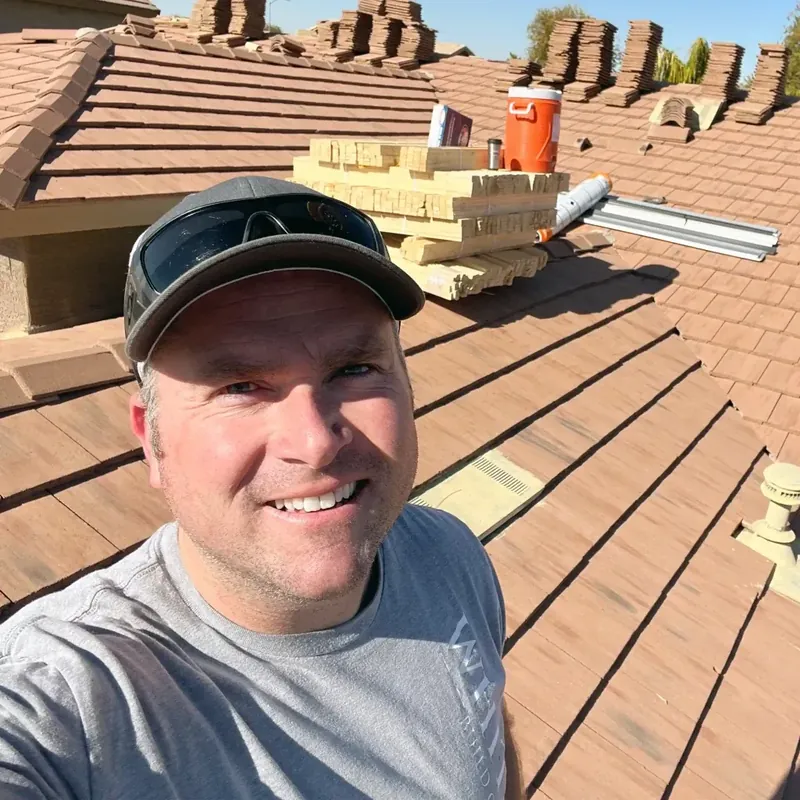
Arizona's climate is brutal on roofs. Triple-digit heat, relentless UV, and monsoon storms that show up every summer to test whatever's up there. The right material makes the difference between a roof that lasts 15 years and one that lasts 50. Here's how the main options actually compare for an East Valley home, from someone who installs all of them.
Key takeaways
- In Arizona, material choice is mostly about heat and UV. Tile and foam handle our sun best; asphalt shingles trade lifespan for a lower upfront price.
- On tile roofs, the tiles usually outlive the underlayment beneath them. Knowing that changes how you think about "roof replacement" here.
- Installation quality matters as much as the material. The best tile in the world fails early over sloppy underlayment work.
Why the right roofing material matters in Arizona
Your roof does more here than keep rain out. It's the main barrier between the summer sun and your air conditioner. Materials that reflect sunlight and slow heat transfer keep the house livable and the power bill sane, and the difference between a good and bad choice shows up every July.
The right material also protects resale value. A sound roof helps a home sell; a roof at the end of its life becomes a negotiating chip against you. Choosing well once beats repairing often.
Concrete tiles for Arizona roofs
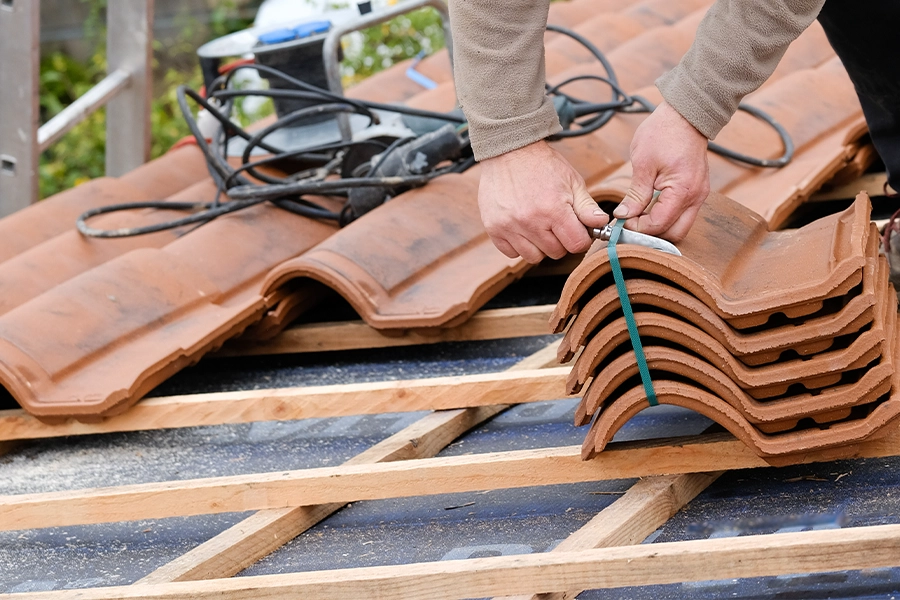
Concrete tile is the workhorse of East Valley neighborhoods, and for good reason. Made from sand, cement, water and iron oxide, concrete tiles shrug off UV and temperature swings, and the tiles themselves can last 50 years or more. They deliver most of clay tile's durability at a lower cost, which is why builders put them on half the subdivisions in Chandler and Gilbert.
The honest catch: the tiles outlast the underlayment beneath them. On most East Valley tile roofs, the real project at year 20 to 25 isn't replacing the tile, it's replacing the underlayment and reusing your existing tiles. That's a much more affordable job than a full new roof, and it's the majority of the replacement work I do.
Composite slate: a modern solution
Composite slate tiles are engineered from polymers and recycled rubber and plastic compounds. They give you the look of natural slate without the weight or the maintenance, carry UV inhibitors for our sun, and typically run 50 years or more. For homeowners who want a distinctive look with minimal upkeep, they're worth a serious look.
Composite Spanish tile: tradition plus innovation
Composite Spanish tile takes the classic Southwest profile and builds it in modern materials: lighter, with good thermal behavior, UV inhibitors and strong fire ratings. The reduced weight matters because it lightens the structural load on your framing while keeping the traditional look. If you like the tile aesthetic but your structure or budget argues against concrete or clay, this is the middle path.
Spray polyurethane foam (SPF) roofing
For the flat and low-slope roofs all over the Valley, foam is hard to beat. SPF goes on as a seamless, insulating, reflective layer that keeps heat out and eliminates the seams where flat roofs usually develop leaks. It flexes with temperature swings instead of cracking, and a recoat every 5 to 7 years keeps it going for decades.
Foam has real tradeoffs too, which I cover in my posts on what a foam roof is and its disadvantages. If your home has a flat roof, my foam roofing page explains how I approach these jobs.
Clay tiles: timeless and durable
Clay tile is the longevity champion. The tiles can last 50 to 100 years, resist heat and UV naturally, and their shape promotes airflow that helps keep attics cooler. They cost more than concrete and weigh more than composites, so the structure has to be up to it, but nothing else matches the combination of durability and classic Southwest curb appeal.
Not sure which material fits your house?
I'll come look at your roof, your structure and your budget, and tell you honestly what I'd put on my own house in your situation. The inspection is free and I do it personally.
Call or text Andy: 480-363-2898Asphalt shingles: cost-effective and versatile
Asphalt shingles are the budget option, and there's nothing wrong with that when the budget is the constraint. They're lightweight, quick to install, and come in a huge range of colors and profiles. The tradeoff is lifespan: in Arizona heat, expect 15 to 20 years rather than the 25 to 30 the same shingle might give in a milder climate. Lighter colors and higher-grade shingles stretch that number.
Energy-efficient roofing options
If cooling costs drive your decision, three features matter most: reflectivity (light-colored materials), thermal mass (tile absorbs and releases heat slowly), and insulation (foam wins outright). Arizona sun degrades every material eventually, so UV resistance doubles as a longevity feature. I compare the options in detail in my guide to energy-efficient roofs.
Factors to consider when selecting roofing materials
- Lifespan vs. upfront cost. Tile costs more today and less per year of service. Shingles reverse that math.
- Structure. Heavy materials like concrete and clay tile need framing that can carry them. Any material change requires a structural check, and local codes have a say.
- Roof shape. Flat roofs point toward foam; pitched roofs open up tile and shingle.
- Maintenance appetite. Foam needs recoating; tile needs occasional underlayment work; composites need the least attention.
- Looks. You see your roof every day from the driveway. It should be something you like.
Why the installer matters as much as the material
Every material on this list fails early when installed badly, and most of the repair calls I get trace back to workmanship, not materials. A licensed contractor who knows local codes, pulls the permits and installs to manufacturer specs is the cheapest insurance you can buy. Verify any Arizona roofer's license with the ROC before signing anything; mine is #325377.
Summary
There's no single best roof for Arizona, but there is a best roof for your house: its shape, its structure, your budget and how long you plan to stay. Tile dominates here because it earns its place; foam owns the flat-roof market for the same reason; composites fill real niches; and shingles remain the honest budget answer. The way to get it right is to have someone qualified look at your specific roof, and that look costs nothing when I do it.
Frequently asked questions
What is the most durable roofing material for Arizona's climate?
Clay tile, with lifespans from 50 to 100 years, followed closely by concrete tile. On any tile roof, remember the underlayment beneath the tiles has its own, shorter lifespan.
How can I make my roof more energy efficient?
Reflective light-colored materials, thermal mass like tile, or the insulation of a foam system all help, along with a properly ventilated attic. Light colors beat dark ones in our sun.
Are asphalt shingles a good choice for Arizona?
They're the most affordable option and perfectly serviceable, but expect 15 to 20 years here rather than the longer life they achieve in cooler climates. If you plan to stay in the home long term, tile usually wins the long math.
What should I look for in a roofing contractor?
A verifiable Arizona ROC license, experience with your specific material, and a written bid that spells out scope. My post on choosing a roofing company gives you the full checklist.
How do I find out what my roof needs?
Start with an inspection. I do free roof inspections across Chandler, Gilbert and the East Valley, and I'll tell you plainly whether you need anything at all.