Yes. In Arizona, the sun is the single biggest force aging your roof, bigger than storms, bigger than time. UV radiation and extreme heat break down roofing materials year after year, causing cracks, discoloration and blistering long before the roof "should" be old. Here's how sun damage actually works and what keeps it in check.
Key takeaways
- UV rays and heat cycling slowly break down every roofing material: shingles dry out and crack, and coatings erode.
- Thermal shock, the rapid temperature swing when a monsoon storm hits a 160-degree roof, cracks and warps aging materials.
- Sun damage is cumulative and quiet. Regular inspections catch it while it's a maintenance item instead of a leak.
How the sun affects your roof
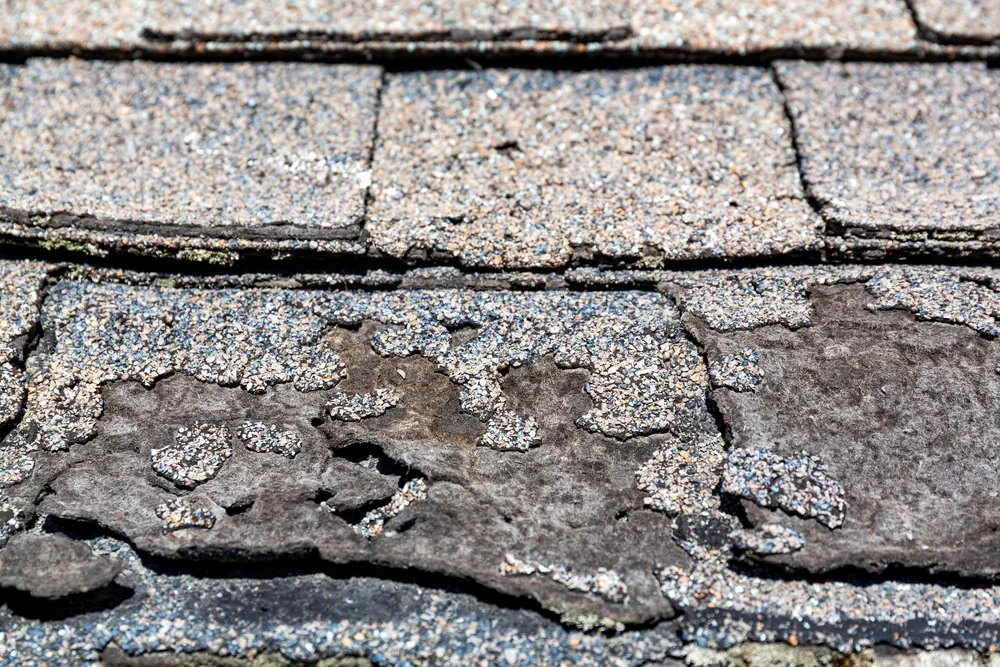
Prolonged UV exposure weakens and fades roofing materials, and the desert gives your roof more UV than almost anywhere in the country. Protective coatings erode, oils bake out of asphalt, and materials crack, curl, peel and blister. None of it happens overnight, which is exactly why it catches homeowners by surprise: the roof looks fine from the driveway until the year it doesn't.
Cracked shingles
Constant heat makes roofing materials expand and contract daily, and asphalt shingles lose flexibility as the sun dries out their oils. Aging shingles become brittle, then crack and warp, and every crack is an opening for the next monsoon to exploit. Cracked shingles are a fix-it-now item; ignored, they graduate into leak repairs and eventually into replacement conversations.
Discoloration
UV degrades the pigments in roofing materials, fading them from their original color. Dark shingles lighten noticeably over the years. Discoloration itself is cosmetic, but it's also a progress report: fading usually means the protective granules or coatings are wearing away too. Lighter-colored and UV-resistant materials hold their look, and their protection, longer in our sun.
Blistering
High temperatures and trapped moisture form bubbles under shingle surfaces. Arizona summers are prime blistering season. When blisters pop, they expose the mat underneath to direct UV and water, so blistered sections deserve prompt attention before moisture reaches the decking.
Understanding thermal shock
Thermal shock is Arizona's specialty. A roof surface sitting at 150 to 160 degrees gets hit by a monsoon downpour and drops tens of degrees in minutes. Materials contract violently, and anything already aged or brittle cracks. Tile handles this well; old asphalt handles it poorly. It's one big reason the same shingle lasts 25 years in Ohio and 17 here, and it's why pre-monsoon inspections matter: thermal shock finds every weakness the sun created all summer.
Impact of UV radiation on roofing materials
UV breaks down materials at the molecular level, making them brittle and less flexible over time. On shingles, UV accelerates granule loss, and granules are the shingle's UV shield, so the damage feeds itself. Foam roofs depend entirely on their coating for UV protection. Whatever the material, UV resistance is a longevity feature here, not a luxury.
Long-term effects of persistent sun exposure
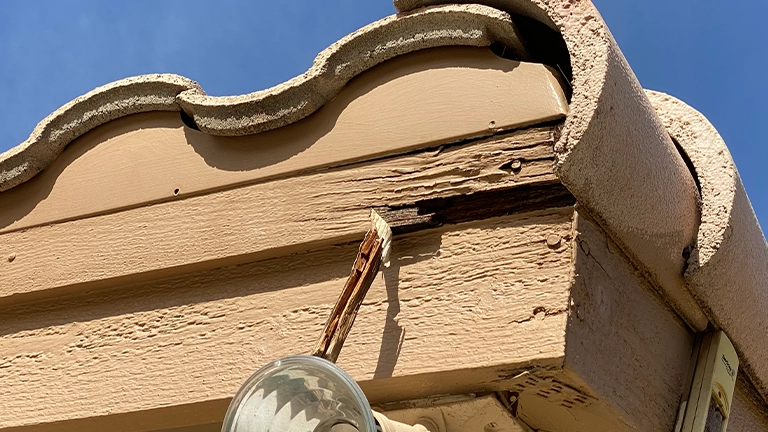
Give the sun enough years and the damage compounds: brittle, curling shingles; dried-out sealants; corroding exposed metal; and underlayment that's quietly failed beneath tiles that still look perfect. That last one is the classic East Valley situation: on tile roofs, the sun's heat cooks the underlayment over 20 to 25 years while the tiles above shrug it off. That's why underlayment replacement is the most common big roofing job here, and why a tile roof that "looks fine" can still be leaking.
Identifying sun damage on your roof
From the ground, look for fading, curling or buckling shingles, cracked or slipped tiles, and granule buildup in gutters. Inside, watch for attic heat that seems worse than it used to be and any hint of staining on ceilings. Curling and buckling usually mean shingles are at the end of their life. If your roof is over ten years old and you can't remember its last inspection, that's the sign right there. My post on how to tell if your roof needs replacing covers the full checklist.
Wondering what the sun has done to your roof?
I'll get up there and give you an honest read: what's worn, what's fine, and what actually needs doing. Free inspection, done by me personally, no pressure afterward.
Call or text Andy: 480-363-2898Best roofing materials for sun resistance
Some materials are simply built for this climate:
- Clay and concrete tile: excellent UV resistance and thermal mass; the tiles themselves last 50+ years in direct desert sun.
- Architectural shingles: heavier construction and better granule retention than basic three-tab shingles.
- Coated foam: for flat roofs, the reflective elastomeric coating is designed specifically to take UV abuse and be renewed.
Preventative measures against sun damage
You can't shade your roof, but you can slow the sun down: UV-resistant coatings on flat roofs, lighter colors that reflect rather than absorb, and good attic ventilation so heat doesn't cook the roof from both sides. Ventilation is the one homeowners overlook most; a poorly vented attic can run far hotter than the outside air, and that heat ages the roof structure from below.
Importance of regular inspections
Sun damage is gradual, which makes it easy to miss and easy to catch, depending entirely on whether anyone looks. An annual inspection, plus a check after severe weather, finds cracked shingles, failing sealant and early blistering while they're still cheap problems. Roofs past the ten-year mark deserve particular attention. Mine are free, so the only cost of knowing is a phone call.
Professional roof maintenance tips
Between inspections: keep gutters clear so water drains instead of backing up, trim branches that overhang the roof, and get small problems fixed promptly instead of letting the sun and monsoons enlarge them. My full Arizona roof maintenance guide lays out the seasonal routine.
Summary
The Arizona sun damages every roof; the only variables are how fast and whether anyone notices in time. UV breakdown, heat cycling and thermal shock are relentless but predictable, which means the defense is boring and effective: sun-resistant materials, decent ventilation, and regular inspections that catch wear while it's still maintenance. If your roof has been taking the sun for a decade or more without a professional look, let's fix that for free.
Frequently asked questions
How can I tell if my roof has sun damage?
Look for fading, cracked or curling shingles, granules collecting in gutters, and cracked tiles. Interior heat creeping up is a softer clue. An inspection settles it definitively.
What are the best roofing materials for sun resistance?
Clay and concrete tile and architectural shingles top the list for pitched roofs; coated foam owns the flat-roof category. All are built to handle sustained UV.
How often should I inspect my roof for sun damage?
At least once a year, ideally before monsoon season, plus after any severe storm. Older roofs deserve twice-yearly checks.
Can UV-resistant coatings help protect my roof?
Yes, especially on flat and foam roofs, where the coating is the designated sacrificial layer. Renewed on schedule, coatings dramatically extend roof life in our sun.
Does sun damage mean I need a new roof?
Usually not. Most sun damage caught early is repairable, and on tile roofs the fix is often underlayment rather than a whole new roof. The honest answer comes from an inspection, and mine cost nothing.