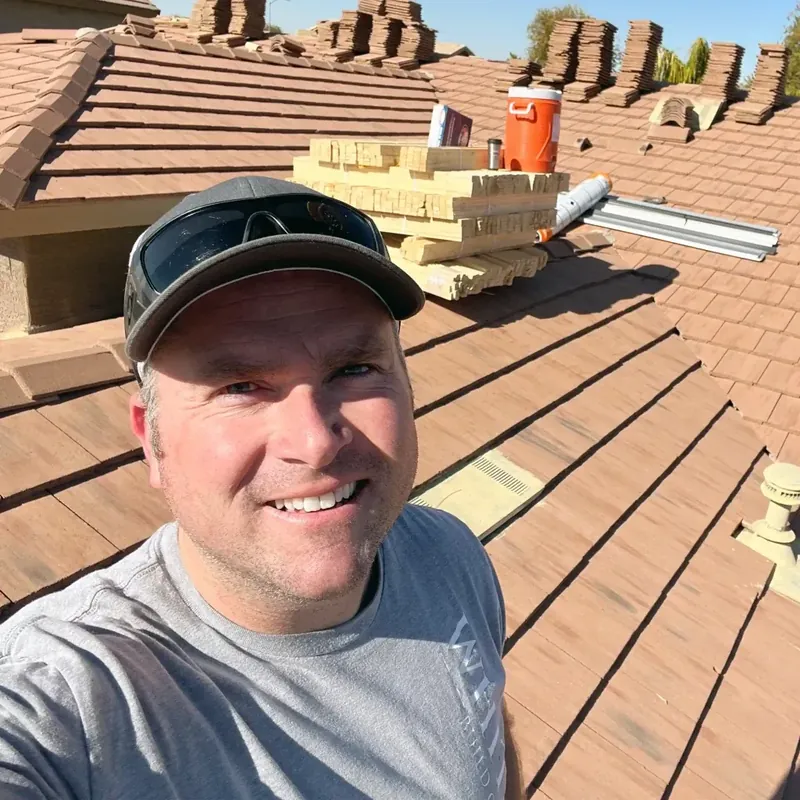
Every expensive roof failure I've repaired in 25 years started as a cheap problem somebody didn't catch. Roof maintenance in Arizona isn't complicated, but our climate punishes neglect harder than most: the sun degrades materials year-round, then monsoon season stress-tests whatever's weak. Here's the maintenance routine that actually extends a roof's life in the East Valley.
Key takeaways
- A yearly professional inspection, plus a look after major storms, catches problems while they're still small and cheap.
- Clean gutters, clear drains, and trimmed trees prevent the majority of avoidable roof damage in Arizona.
- Fix small damage fast. A broken tile or lifted shingle costs little today and a lot after a monsoon season.
Regular roof inspections
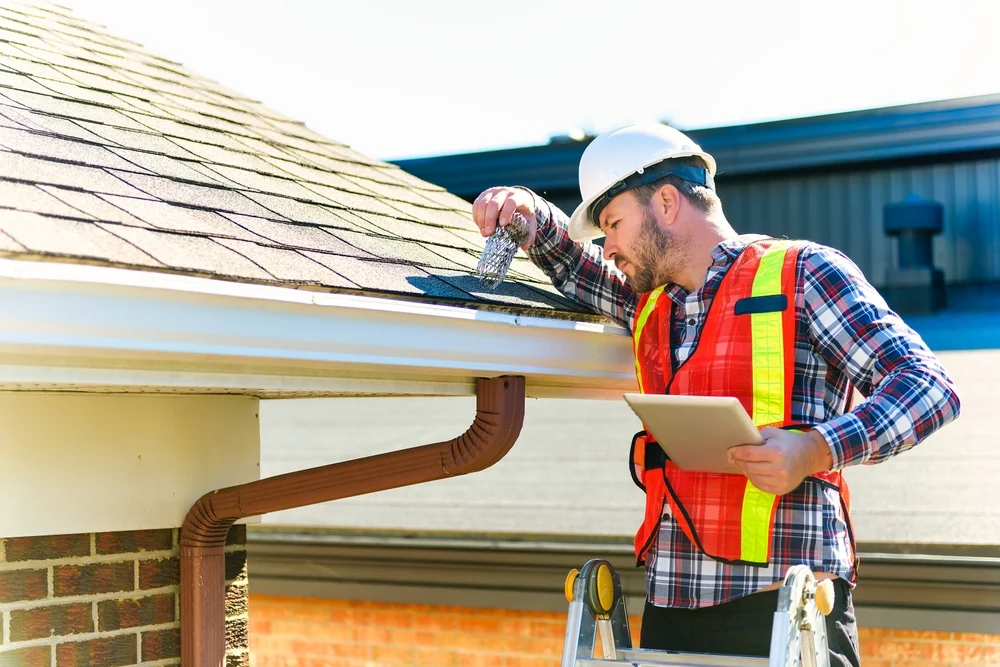
Once a year is the baseline, and the smart timing is late spring, before monsoon season, so anything loose gets fixed before the wind finds it. Add a check after any major storm. A professional inspection covers what you can't see from the ground: flashing condition, underlayment exposure, sealant wear, and the early signs of trouble around penetrations.
Between professional visits, you can do a lot from the ground: scan for slipped or cracked tiles, curling shingles, and sagging lines. My DIY roof inspection guide covers what to look for safely. When you want professional eyes, my inspection is free and I do it personally.
Cleaning your roof and gutters
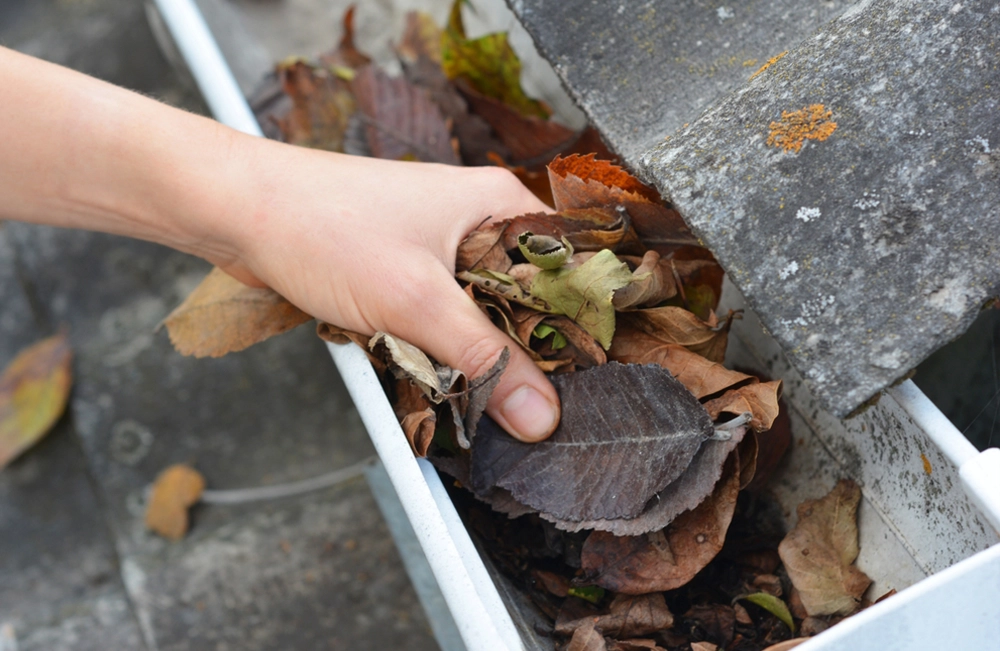
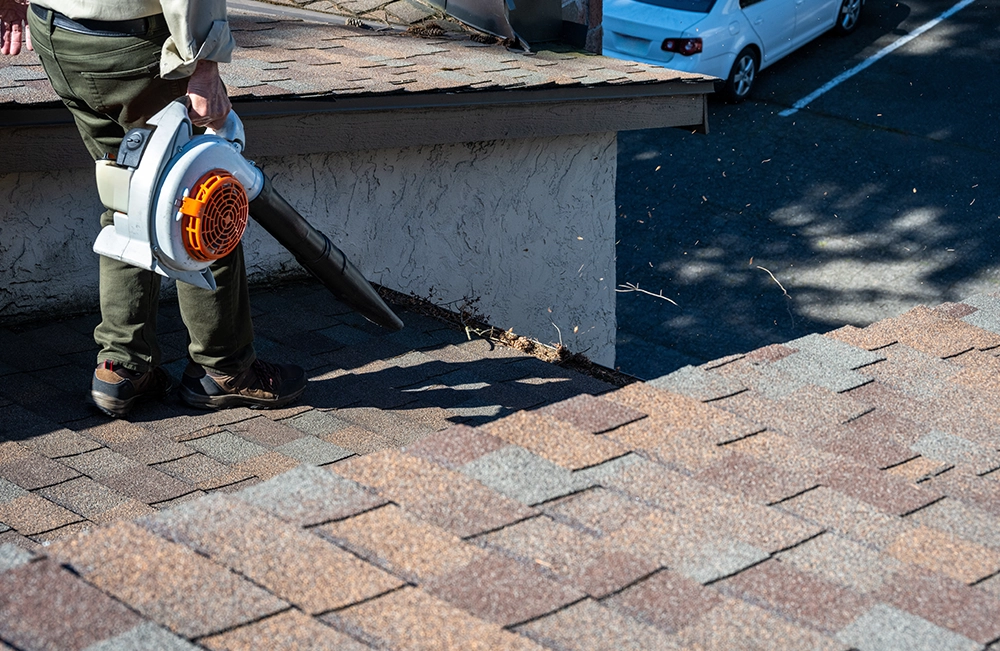
Debris on a roof holds moisture against the materials and blocks the drainage paths that monsoon rain depends on. Twice a year, clear leaves, branches, and dirt buildup from the roof surface, valleys, gutters, and downspouts. On flat roofs, scuppers and drains are the critical items; a clogged scupper turns your roof into a swimming pool during a July storm.
One warning: never pressure wash a roof. High pressure strips shingle granules, cracks tile surfaces, and drives water where it shouldn't go. Gentle methods only, or hire it done.
Managing moss, algae, and plant growth
Less of an issue in the desert than elsewhere, but shaded, north-facing slopes and areas under trees still grow algae and the occasional moss patch, and both hold moisture against the roof. A diluted bleach solution and a low-pressure rinse handles small growth; for anything extensive, have a pro do it so the cleaning doesn't cause more damage than the growth.
Trimming overhanging branches
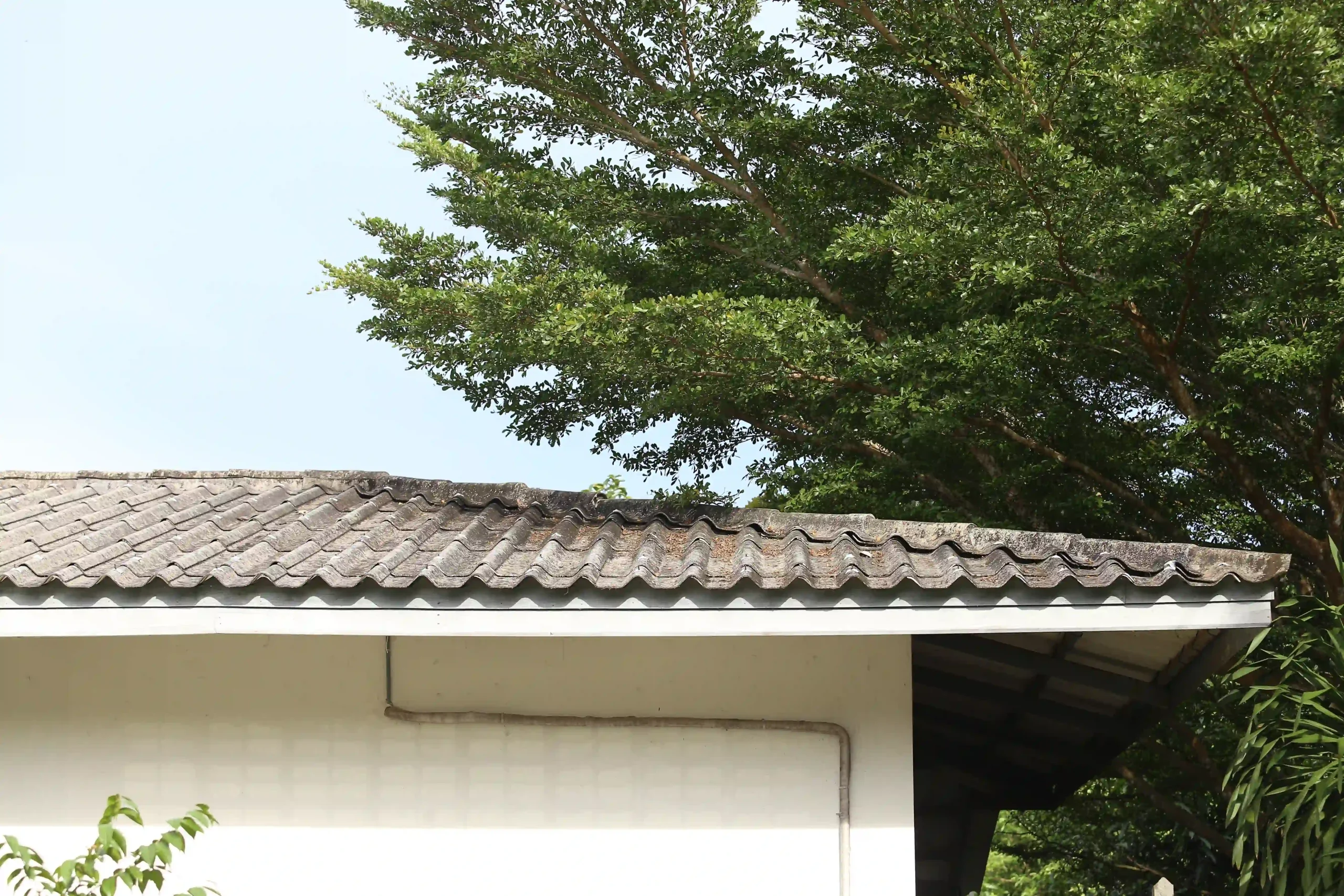
Keep branches at least 6 to 10 feet off the roof. Overhanging limbs scrape material in the wind, drop debris that clogs drainage, give roof rats a bridge onto your house, and become projectiles in monsoon storms. Most impact damage I repair came from the homeowner's own trees.
When did your roof last get a professional look?
If the answer is "not sure," that's what the free inspection is for. I check the whole system, tiles, flashing, drainage, ventilation, and give you a straight report. No cost, no pressure.
Call or text Andy: 480-363-2898Repair damage quickly
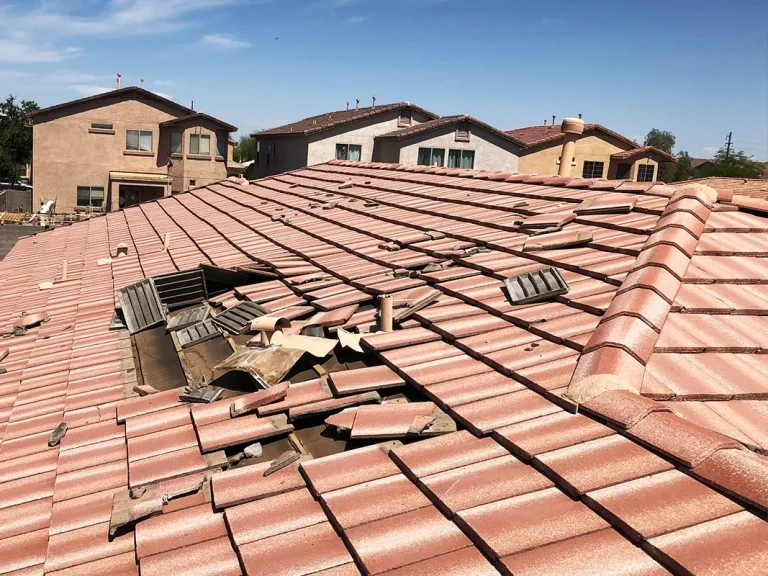
This is the highest-leverage habit on this page. A cracked tile, a lifted shingle, a small flashing gap: each is a minor fix when caught, and each becomes water damage, rotted decking, and interior repairs when ignored through a monsoon season. If you spot damage, deal with it in weeks, not seasons. Most East Valley roof repairs run $500 to $3,500, and staying on the low end of that range is mostly a matter of speed.
Maintain proper ventilation and insulation
A ventilated attic protects the roof from below. Trapped heat blisters shingles and cooks underlayment; trapped moisture rots decking. Make sure intake (soffit) and exhaust (ridge or O'Hagin) vents are clear and balanced, and that insulation isn't blocking the airflow path. Full details in my Arizona roof ventilation guide.
Seasonal roof care in Arizona
- Spring: the big one. Full inspection and cleaning before monsoon season, drainage cleared, loose material secured.
- Summer: after each major storm, ground-check for shifted tiles, missing shingles, and debris. Watch ceilings for new stains.
- Fall: clear the summer's debris, check coatings and sealants that took the UV beating.
- Winter: the easy season. A quick check after any hard rain or rare freeze, and you're done.
Sealants and coatings
Coatings are scheduled maintenance, not an upgrade, especially on flat and foam roofs, where the elastomeric coating is the sacrificial layer that takes the UV so the foam doesn't. Recoat roughly every five years and a foam roof keeps going almost indefinitely; skip it and the sun eats the roof itself. On other roof types, sealants around penetrations and exposed fasteners deserve a check at every inspection.
Watch for dry rot
Where moisture lingers, under long-ignored leaks, around bad flashing, in unventilated attic corners, wood decking can rot. The signs: sagging areas, damp or musty attic smells, and discolored patches. Rot doesn't heal; the affected wood gets replaced, which is why catching the moisture source early matters so much.
Use quality materials, installed well
Maintenance can't rescue a badly built roof. When replacement or major repair time comes, materials matched to Arizona (tile, foam, or quality architectural shingle) and verifiable licensed installation determine how much maintenance the next 20 years will need. Check any contractor's ROC license before signing; mine is ROC #325377, verify it here. And when repairs start arriving too often, my repair or replace guide walks through the honest math.
Common questions
How often should I have my roof inspected in Arizona?
Once a year, ideally before monsoon season, plus after any major storm. It's the cheapest item in this whole guide and it makes everything else work.
How often should gutters be cleaned?
Twice a year minimum, and always before monsoon season. More often if you have trees close to the house.
Can I pressure wash my tile roof?
No. Pressure washing damages tile surfaces, strips shingle granules, and forces water under the roof covering. Gentle cleaning only.
When is maintenance no longer enough?
When repairs get frequent and the roof is near the end of its material lifespan, money spent maintaining it is money spent twice. That's when we talk replacement, with real numbers from the cost guide.