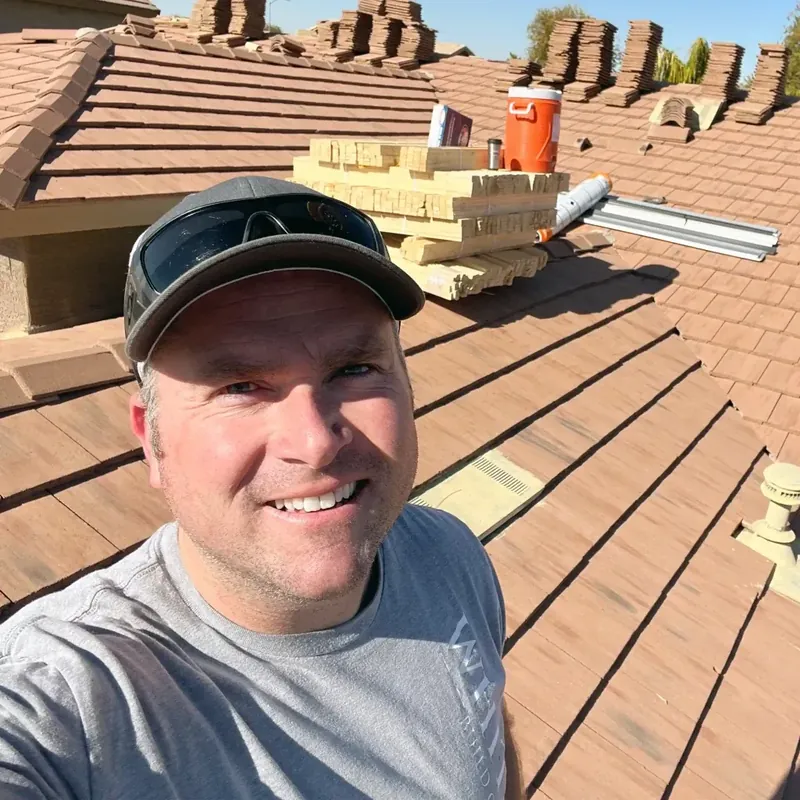
Flat or pitched? In Arizona this isn't just a style question. The two roof types age differently under our sun, drain differently in monsoon season, and cost differently over 30 years. Here's an honest comparison from someone who repairs and replaces both, every week, in Chandler and Gilbert.
Key takeaways
- Flat roofs cost less to build and pair well with insulation and solar panels, but drainage has to be maintained or monsoon rain becomes a problem.
- Pitched roofs shed water naturally, last longer between major work, and carry the classic tile look that fits most East Valley neighborhoods.
- The right answer depends on your home's existing structure, your budget, and how long you plan to stay. Most homes are already committed to one or the other.
What Arizona's climate does to a roof
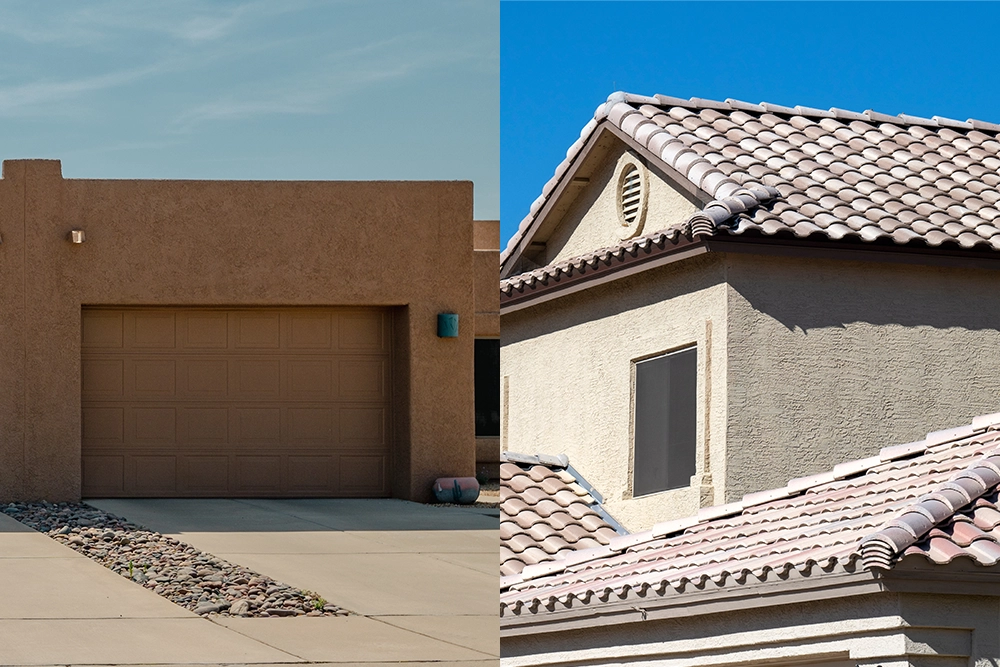
Any roof here fights the same three enemies: UV radiation that makes materials brittle, thermal cycling (100+ degree days into cool nights) that expands and contracts everything, and monsoon storms that test every seam with wind-driven rain. Asphalt shingles crack and curl fastest under that abuse; tile and foam hold up best. Whichever shape roof you have, the material choice matters as much as the pitch. My guide to the best roofing types for Arizona goes deeper on materials.
Benefits of flat roofs in Arizona
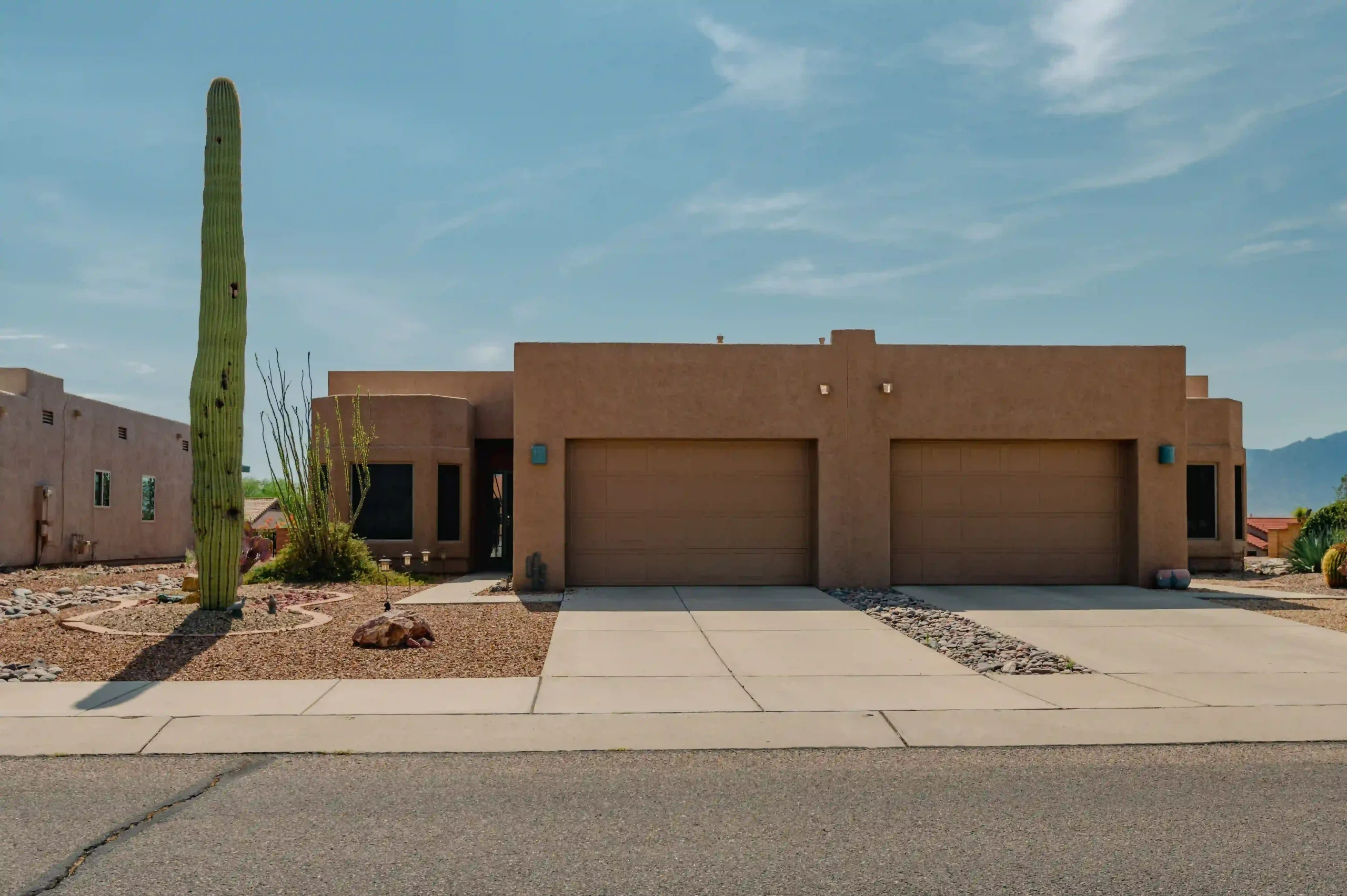
Flat roofs are cheaper to build: simpler structure, fewer materials, faster installation. They suit modern and Santa Fe style architecture, and they turn the top of your house into usable real estate for patios, HVAC equipment, or panels.
Energy efficiency
A flat roof with good insulation and a reflective coating keeps a lot of heat out of the house, which matters when the air conditioner is the biggest line on your summer power bill. Flat surfaces also let solar panels sit at the ideal angle with simple ballasted racking. If solar is in your plans, read up on whether to replace the roof before the panels go on.
Usable space
Rooftop patios, gardens, and out-of-sight equipment: a pitched roof gives you none of that. On smaller urban lots in Chandler and Gilbert, that extra deck can be the best square footage on the property.
Challenges of flat roofs
Water pooling and drainage
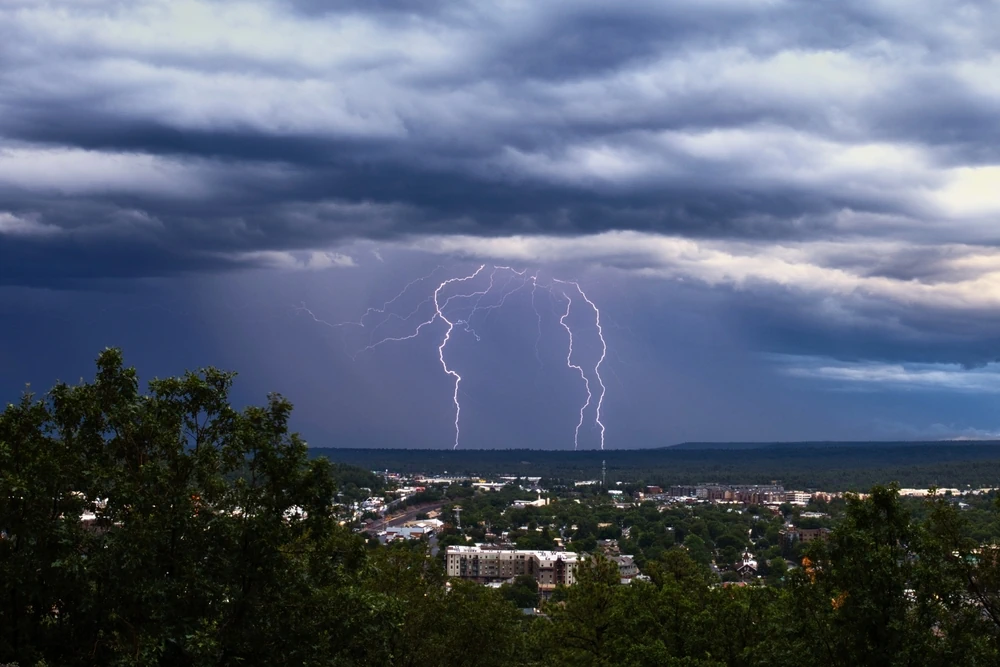
Flat roofs have minimal slope, so they depend on scuppers and drains to move monsoon rain off the surface. When those clog, water ponds, and ponding water eventually wins. This is the single biggest flat roof issue I get called about every summer. The prevention is boring and cheap: keep the drains clear and get the roof inspected before storm season.
More frequent maintenance
Flat roof systems need recoating on a schedule and more frequent checkups than a tile roof. Skip the maintenance and you'll pay for it in repairs. Budget for the upkeep and a flat roof is a reliable, economical system.
Deciding between roof options?
I'll look at your specific roof, flat or pitched, and give you a straight answer about what it needs and what it'll cost. Free inspection, done by me personally, no sales pitch.
Call or text Andy: 480-363-2898Advantages of pitched roofs in Arizona
Natural drainage and durability
A pitched roof sheds water by gravity. No drains to clog, no ponding, and that alone eliminates the most common failure mode we see during monsoon season. Paired with tile, a pitched roof structure can go decades between major work; usually it's the underlayment, not the tiles or the structure, that eventually needs replacing.
Natural insulation
The attic space under a pitched roof acts as a thermal buffer between the sun-baked roof surface and your ceiling. With decent attic ventilation, that air gap keeps interior temperatures noticeably more stable in summer.
Curb appeal and value
Tile on a pitched roof is the default look of the East Valley for a reason. It fits the architecture, buyers expect it, and a well-kept tile roof helps at resale.
Drawbacks of pitched roofs
Two main ones. First, cost: more structure, more material, more labor, so the initial investment is higher. Second, access: repairs on a steep tile roof take more time and care than on a walkable flat roof, which shows up in repair labor. Neither changes the long-term math much, because pitched roofs also need attention less often.
Cost comparison
Flat roofs win on upfront cost: less material, faster install. Pitched tile roofs cost more to build but stretch that investment over a longer service life with fewer interventions. Over 30 years the totals are closer than the sticker prices suggest. For real numbers on full replacements, see my Arizona roof replacement cost guide. For repairs, most East Valley roof repairs run $500 to $3,500 depending on scope.
Best roofing materials for each
- Flat roofs: sprayed polyurethane foam is the Arizona standard, with modified bitumen as the main alternative. Both take reflective coatings well.
- Pitched roofs: concrete or clay tile leads for longevity and heat resistance; architectural shingles are the budget option.
Choosing the right roof for your home
Honestly, most homeowners aren't choosing from scratch. Your house came with a flat or pitched roof, and converting between them is a structural project that rarely pays off. The real decision is what system and material to use when replacement time comes, and that comes down to budget, how long you'll stay, and the condition of what's up there now. If you're weighing repair against replacement, my repair or replace guide walks through how I make that call.
Common questions
Is a flat roof worse than a pitched roof in Arizona?
No. It's a different maintenance contract. A maintained foam roof is an excellent system here. An ignored one leaks, and so does an ignored tile roof.
What type of roof is best for the desert?
For pitched roofs, tile. For flat roofs, sprayed polyurethane foam. Both handle heat, UV, and monsoon rain better than asphalt shingles.
Which is cheaper to maintain?
Pitched tile needs attention less often but costs more per visit. Flat foam needs scheduled recoating but each service is simpler. Over decades they're comparable if both are maintained on schedule.