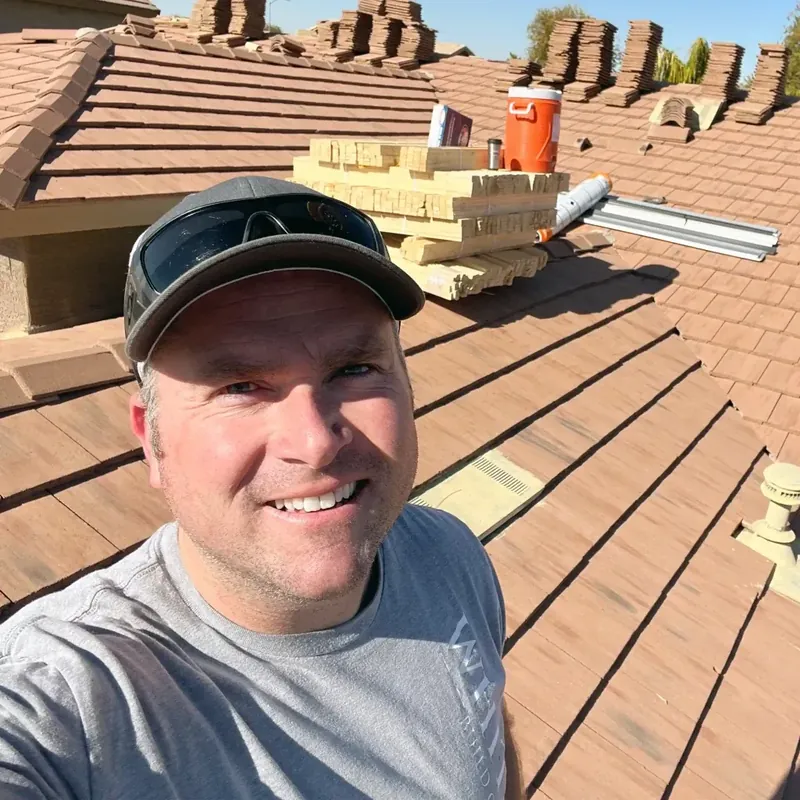
It's the single best question to ask before going solar, and the one solar salespeople are least motivated to raise. Panels last 25 years or more; if your roof won't, you'll eventually pay to take the whole array off and put it back on. Here's how to judge your roof's readiness honestly, from the guy who gets called when the sequencing went wrong.
Key takeaways
- Match the lifespans: you want roughly 25 years of roof life under a 25-year solar system. Less than that, and roof work belongs before the install.
- Removing and reinstalling panels later is expensive and disruptive. Doing the roof first, or bundling both projects, avoids that cost entirely.
- On East Valley tile roofs, judge the underlayment, not the tiles. It's the layer that fails, and it fails invisibly.
Assessing your roof's condition
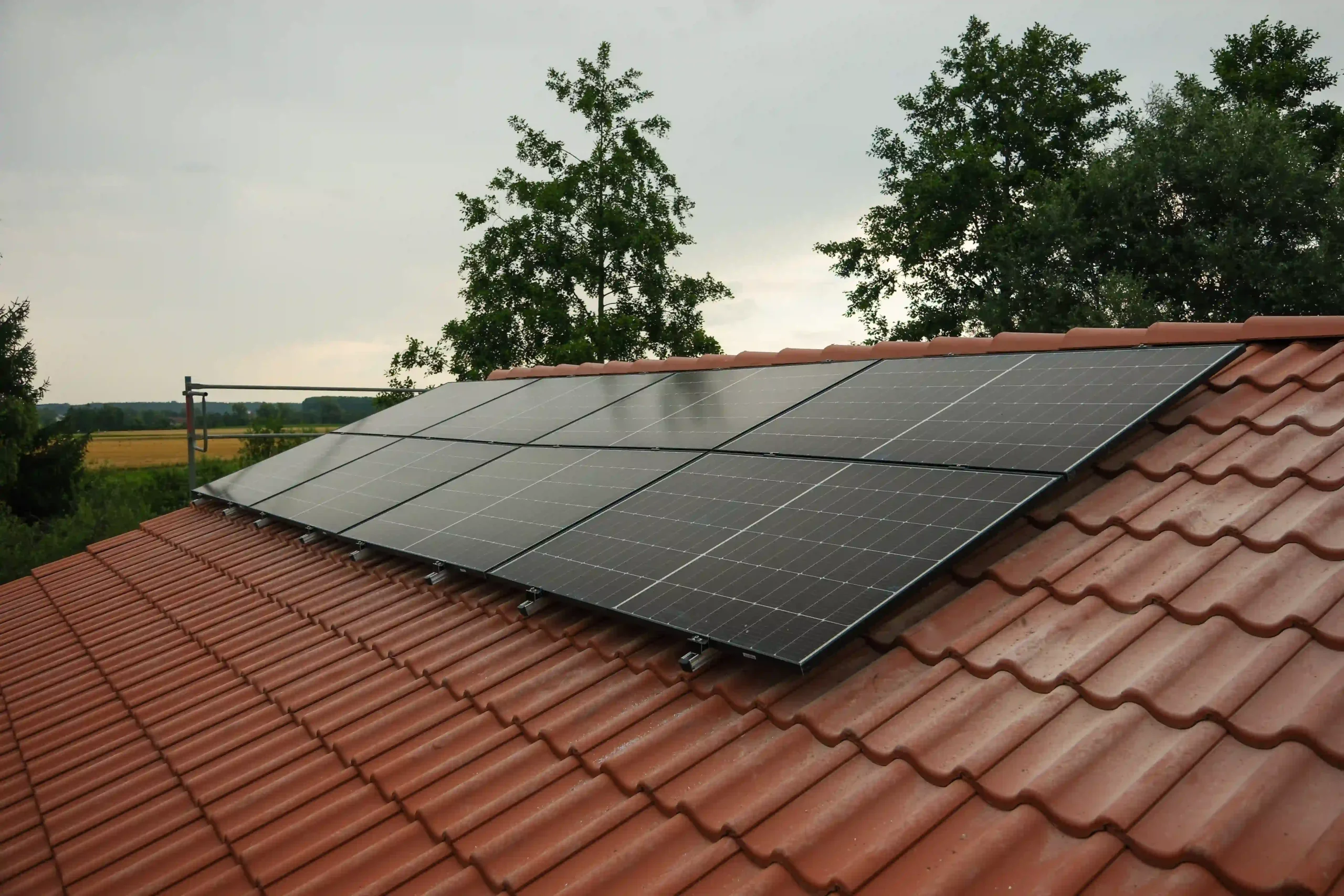
Your roof is the foundation of your solar investment, literally. Panels bolt through it, they'll sit on it for decades, and every weakness underneath becomes harder and costlier to fix once an array is in the way. Ideally, the roof under new panels should have 25 to 30 years of life ahead of it. Three things determine whether yours does: age, material and structural soundness.
Roof age and material
Different materials run on different clocks, and Arizona shortens all of them. Asphalt shingles give you 15 to 25 years here; and tile is the two-clock special: tiles lasting 50-plus years over underlayment lasting 20 to 25. That tile detail is the one that burns East Valley solar owners, because the roof "looks brand new" right up until the underlayment fails beneath a fully mounted array.
One genuine upside once panels are on: they shade and shield the roofing beneath them, which can slow sun-driven aging on the covered sections. That's a bonus on a sound roof, not a rescue for a failing one.
Structural integrity check
Beyond age, look for the standard warning signs: cracks, leaks, slipped tiles, missing shingles, sagging. Panels and racking add weight, and mounting hardware needs solid decking to anchor into. A professional evaluation settles all of this in one visit; I do free roof inspections across the East Valley, and pre-solar checks are one of the most valuable kinds I do, because the stakes of guessing wrong are so lopsided.
Cost implications of roof replacement and solar installation
Removal and reinstallation costs
Here's the math that drives the whole decision. If your roof needs work after panels are installed, the array has to come off and go back on, professionally, to preserve equipment warranties. That typically costs thousands of dollars for a residential system, takes days of coordination between trades, and leaves your solar production offline meanwhile. None of that buys you anything; it's pure sequencing penalty. Every dollar of it is avoided by doing needed roof work first.
Combined project savings
If your roof does need replacement, bundling it with the solar installation is the efficient path: one mobilization, one round of scheduling, coordinated crews, and mounting hardware flashed into a brand-new roof rather than retrofitted onto an old one. Homeowners typically save meaningfully versus doing the projects separately, and the finished system is better built. The step-by-step of how the two trades coordinate is in my guide to replacing a roof with solar panels.
Solar quote in hand? Get the roof answer first.
Before you sign, I'll inspect your roof for free and tell you straight: ready for 25 years of panels, needs work first, or somewhere in between. It's one visit, and it protects the whole investment.
Call or text Andy: 480-363-2898Benefits of a new roof for solar panels
Enhanced durability
A new roof aligns both clocks: 20 to 50 years of roof life under 25-plus years of panels, with no forced interruption in the middle. New decking and underlayment also give the racking hardware ideal anchoring, and modern materials handle our heat and monsoons better than what they replace. If you're replacing anyway, it's worth choosing a material suited to Arizona and to panel mounting.
Improved efficiency
A new roof under solar is also a performance play: reflective, energy-efficient roofing keeps the attic cooler, which helps the house and, on hot days, the panels themselves. And a leak-free foundation means the array never has to come off for repairs, which is the efficiency that actually matters over 25 years.
Alternatives to full roof replacement
Minor repairs and maintenance
Not every aging roof needs replacing before solar. If the inspection shows a fundamentally sound roof with specific issues, targeted repairs (fixing flashing, replacing worn tiles, securing loose material) can make it solar-ready at a fraction of replacement cost. Most repairs I do run $500 to $3,500 depending on scope. The honest framework for that call is my repair or replace guide; the difference with solar in the picture is that "wait and see" stops being one of the options.
Integrated solar roofing
Solar shingles and integrated solar roofing merge the roof and the power system into one product. The appeal is aesthetic and the install is unified, but repairs get more complex when one component serves two jobs, and the product ecosystem is still younger than conventional panels-on-roof. Worth a look if design is a priority; go in understanding the tradeoffs.
Professional assessment and advice
Roofing contractor evaluation
Get the roof professionally evaluated before signing a solar contract, by a roofer rather than by the solar company's site surveyor, whose job is the array. The evaluation should cover remaining material life, underlayment condition on tile roofs, decking soundness, and any repairs worth doing while access is easy. A documented inspection also gives you a baseline record before another trade starts bolting things to your roof.
Solar installer consultation
The solar side should assess your usage, roof geometry and sun exposure, and design around them. The best outcomes I see come from projects where the roofer and the solar installer actually talk to each other before work starts. When you vet the solar company, apply the same standards you'd use for any contractor: licensing, insurance, years of local work and specific answers.
Long-term considerations for homeowners
Warranty and insurance
Panel mounting penetrates the roof, and doing it outside manufacturer specifications can affect the roofing material's warranty coverage over the mounted areas. Ask the solar installer, in writing, who stands behind the penetrations and for how long; established installers back their roof attachments for years. It's also worth a quick call to your homeowners insurance so the policy reflects the system. My plain-English guide to how roof warranties work covers the background.
Future-proofing your investment
The whole strategy reduces to one sentence: make the roof's remaining life longer than the solar system's before the panels go on. Do that, keep up annual inspections around the array, and your solar investment runs its full course without an expensive intermission. It helps resale too; a home with solar on a sound, documented roof is an easy story for buyers, as I cover in whether a new roof increases home value.
Summary
Should you get a new roof before solar? If the roof has less life left than the panels, yes, and bundling the projects is usually the cheapest way through. If the roof is genuinely sound, no, and targeted repairs may be all the preparation you need. The only wrong answer is not knowing, because the cost of finding out later, with a full array mounted overhead, is the most expensive version of the problem. Finding out now is free: call or text me and I'll give you the straight answer in one visit.
Frequently asked questions
What are the benefits of replacing my roof before installing solar panels?
Matched lifespans, no future removal-and-reinstall bill, better-anchored and better-flashed mounting, and cleaner warranty coverage. It converts a future forced project into a planned one.
How much does it cost to remove and reinstall solar panels for roof work?
Typically thousands of dollars for a residential array, varying with system size and complexity, plus days of coordination and lost production. It's the number that makes doing the roof first such an easy call when the roof is marginal.
Can minor repairs make my roof solar-ready without full replacement?
Often, yes. If an inspection confirms the roof is fundamentally sound, fixing flashing, worn tiles and small defects can prepare it for panels at a fraction of replacement cost.
How do I know if my tile roof is ready for solar?
Have the underlayment professionally assessed, because it fails decades before the tiles do and it's the layer your solar investment actually sits on. Past year 15 or so, this check is essential before mounting anything.
Does bundling roof replacement with solar installation really save money?
Generally yes: shared scheduling and labor efficiencies, one mobilization, and no retrofit compromises. Get both scopes quoted together and compare against doing them separately; the bundled math usually wins.