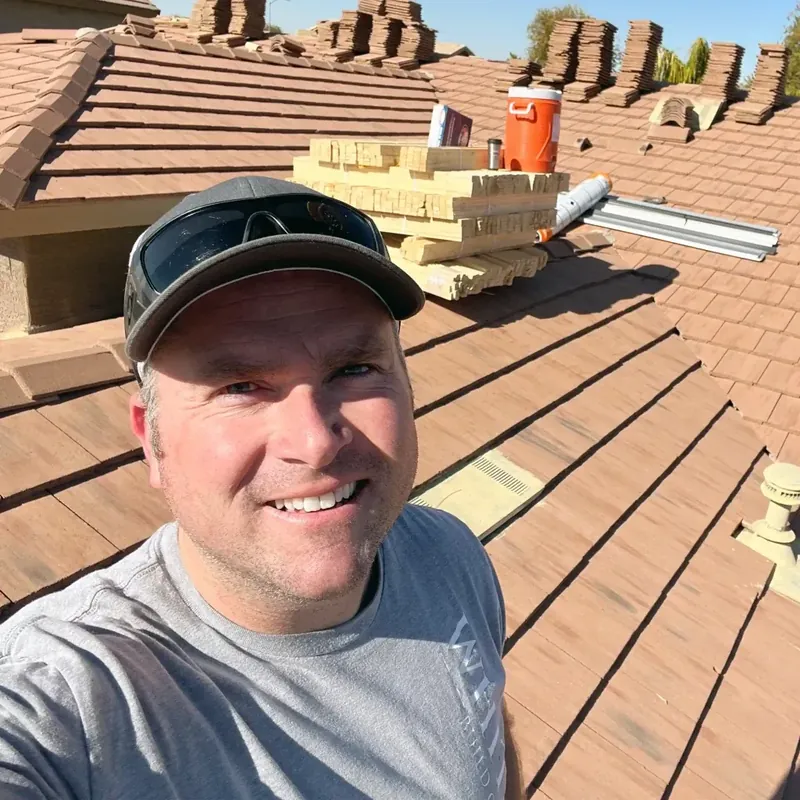
Planning to sell your house? Get the roof looked at before you list, not after the buyer's inspector finds something in escrow. A pre-sale roof inspection uncovers issues while you still control the timeline and the price conversation. Here's why it's one of the highest-leverage moves a seller can make, especially in Chandler and Gilbert where every buyer's inspector will be looking hard at the tile.
Key takeaways
- The buyer's inspector will examine your roof either way. Inspecting first means you find the problems on your schedule, at repair prices instead of negotiation prices.
- A documented, sound roof builds buyer confidence and removes the single most common source of escrow drama.
- In the East Valley, the classic surprise is failed underlayment beneath good-looking tiles. Sellers who know about it first keep the upper hand.
Why a roof inspection is crucial before selling
The roof is one of the most expensive components of a house, and buyers know it. When their inspector flags a roof problem mid-escrow, three things happen, all bad for you: the buyer gets nervous, the repair gets priced at panic rates, and the negotiation leverage flips to their side. Finding the same problem a month before listing turns it into an ordinary repair on your terms.
There's an East Valley-specific reason this matters: tile roofs here can look perfect from the street while the underlayment beneath them is at the end of its life. Buyers' inspectors know this and check for it. Sellers who assume "the tiles look great, we're fine" get surprised in escrow more than any other group I meet.
Boosting buyer confidence
A recent inspection report and a folder of maintenance records tell buyers this house was cared for, and that impression carries beyond the roof. Transparency about the roof's condition, backed by documentation, shrinks the space where buyer anxiety grows and makes for smoother transactions and stronger offers.
Avoiding last-minute surprises
Escrow timelines are unforgiving. A roof issue discovered ten days before closing forces rushed decisions: emergency-priced repairs, price concessions or a delayed close. The same issue discovered pre-listing gets fixed calmly, competitively bid, and disclosed with a receipt attached. Same problem, completely different outcome.
What happens during a professional roof inspection
A proper inspection covers the roof inside and out, and ends with a written report and photos you can actually use.
Exterior examination
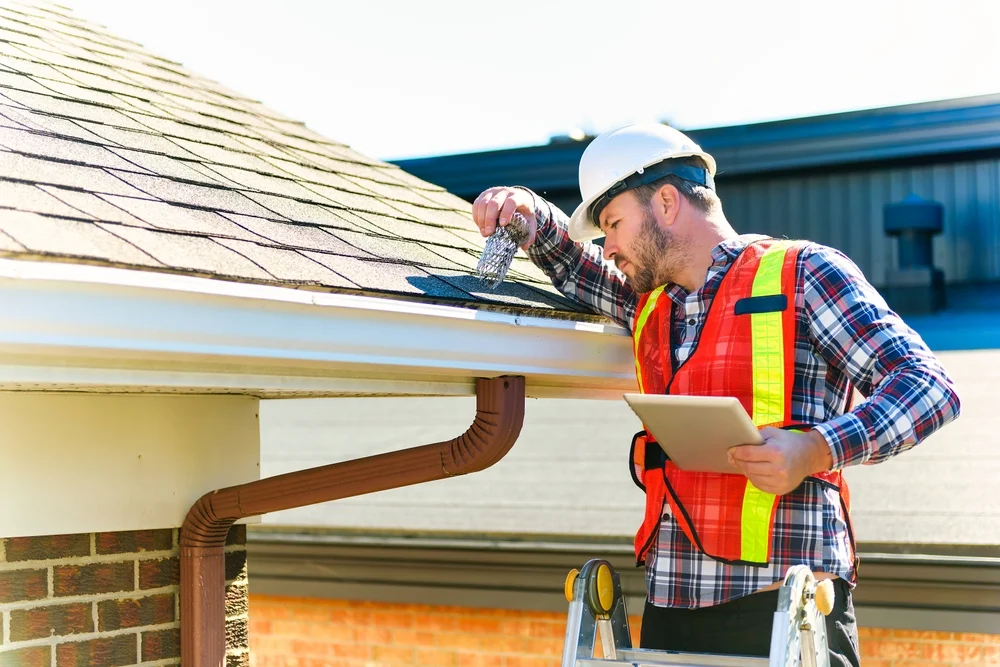
The inspector assesses the roofing material for cracks, slipped or broken tiles, worn or missing shingles, sagging, and the condition of ridges and edges. Gutters and drainage get checked for debris and proper flow. Multiple shingle layers, where they exist, get noted because they usually signal a corner cut in the past.
Interior assessment
Inside, the attic tells the truth: water staining on decking, damp insulation, mold, and daylight where there shouldn't be any. Moisture problems show up here long before ceilings stain, which is exactly why buyers' inspectors go straight to the attic.
Flashing and sealant check
Flashing around chimneys, vents and skylights causes an outsized share of leaks, so a good inspection examines it closely for corrosion, lifting and failed sealant. These are typically cheap fixes that read as major red flags when a buyer's inspector finds them first.
Listing your home soon?
I'll inspect your roof for free, before the buyer's inspector does. You'll know exactly what's up there, what's worth fixing pre-listing, and what's fine as-is. I do the inspection personally.
Call or text Andy: 480-363-2898Common roofing issues found during inspections
Missing or damaged shingles and tiles
The most frequent finding, and usually the cheapest to fix. Cracked tiles and worn shingles compromise the roof's protection and, just as important for a sale, its appearance from the buyer's first drive-by. These are exactly the common Arizona roofing problems worth clearing before photos are taken.
Moisture and mold problems
Moisture in the attic or staining on ceilings raises the stakes because buyers hear "mold" and think of the whole house. Caught pre-listing, most moisture issues trace to a fixable leak point; the repair plus documentation defuses the issue completely.
Structural damage
Sagging decking or compromised framing is the rarest and most serious finding. If it exists, you need to know before a buyer does, because it changes pricing strategy, and pretending it isn't there just relocates the problem to the worst possible moment.
Preparing your roof for sale
Minor repairs and maintenance
Small work pays disproportionately at sale time: replacing broken tiles, fixing worn shingles, resealing flashing, cleaning gutters and clearing debris. The roof reads as "maintained," which is the impression that sells. Most roof repairs I do run between $500 and $3,500 depending on scope, and pre-sale punch lists usually sit at the modest end of that.
Documentation of repairs
Keep the inspection report, repair receipts and any transferable manufacturer warranty paperwork in one folder for buyers. Documentation converts your maintenance history from a claim into evidence, and it's your leverage if a buyer's inspector later questions the roof.
What a pre-sale inspection costs
Around the industry, roof inspections are commonly a paid service. Mine are free, for sellers, buyers and everyone else, because an honest look at a roof is how I earn work when work is genuinely needed. A free professional inspection before listing costs you a phone call and can protect thousands of dollars of sale price. The return-on-investment math isn't close; a sound, documented roof also supports value, as I cover in my post on whether a new roof increases home value in Arizona.
Choosing the right roofing inspector
Checking credentials
Whoever inspects your roof should be licensed and insured, and in Arizona that's easy to verify: look up the contractor's ROC license online (mine is #325377). Experience with East Valley tile roofs specifically matters, since underlayment condition is the make-or-break judgment call here.
About conflicts of interest
Fair warning that applies to my whole industry: an inspector who profits from finding problems has an incentive to find them. Protect yourself by choosing someone with a long local reputation, getting findings in writing with photos, and getting a second bid on any major recommended work. That's the standard I invite on my own inspections; if I tell you your roof needs something, you'll get photos of exactly why, and you're always free to check my conclusion against anyone else's.
Impact on real estate transactions
Enhancing marketability
A documented, sound roof is a genuine listing asset: it photographs better, survives the buyer's inspection without drama, and gives your agent a talking point instead of a liability. Homes that clear the roof question early tend to move through escrow with fewer renegotiations.
Negotiation power
Whoever holds the inspection report holds the leverage. If the buyer's inspector produces the only roof assessment in the deal, their number sets the conversation. When you've already inspected, repaired and documented, there's nothing left to discover and nothing to discount. That's the whole strategy: know first.
Summary
A pre-sale roof inspection is cheap insurance on one of your largest transactions: it finds problems while they're still repairs instead of negotiations, arms you with documentation, and removes the most common source of escrow surprises. In Chandler and Gilbert, where tile roofs hide their underlayment age well, it's close to essential. Mine are free and I do them personally, so if a listing is in your future, let's look at the roof first.
Frequently asked questions
What is checked during a roof inspection?
The roofing material, flashing, sealants, gutters and drainage outside; decking, insulation and moisture signs in the attic. A good inspection ends with a written report and photos.
Why is a roof inspection important before selling my home?
Because the buyer's inspector will check the roof anyway. Inspecting first lets you fix issues at normal prices on your schedule, and walk into negotiations with documentation instead of surprises.
How much does a roof inspection cost?
Many companies charge for them; mine are free, with no obligation attached. The findings come with photos so you can verify everything yourself.
Should buyers get a roof inspection too?
Absolutely. For buyers, a roof inspection can reveal repair costs that belong in the price negotiation, especially on tile roofs where underlayment age is invisible from the street.
What are the most common issues found?
Cracked or slipped tiles, worn shingles, failed flashing sealant, clogged gutters and, on older East Valley tile roofs, underlayment reaching the end of its life.