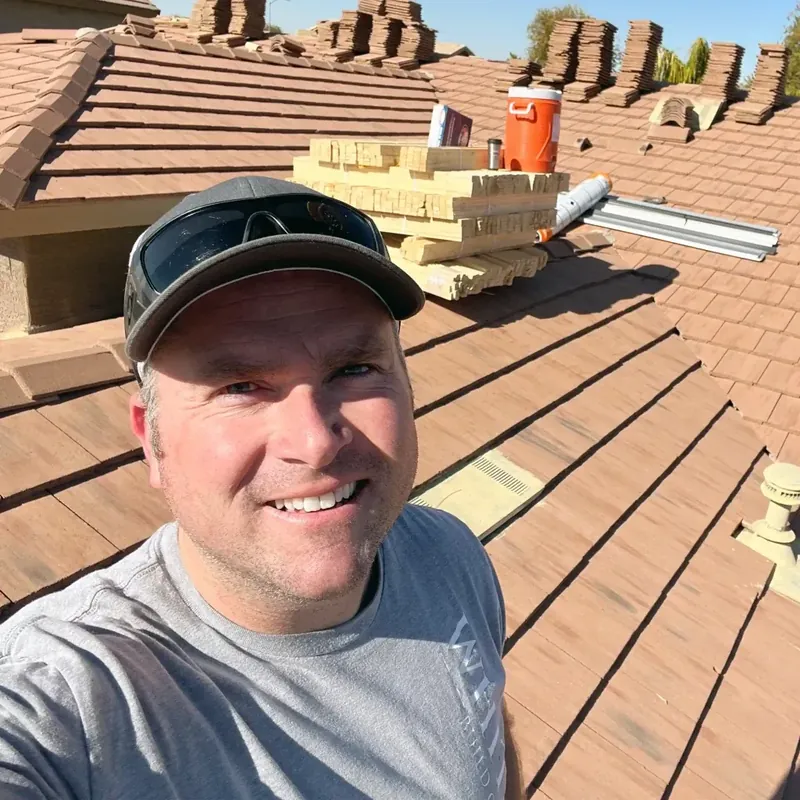
After 25 years on East Valley roofs, I can tell you that Arizona roofing problems come from a short list of causes: our sun, our monsoons, bad installation work, and neglect. The good news is that every one of them is either preventable or fixable if you catch it early. This guide covers the problems I actually find on Chandler and Gilbert roofs, and what to do about each.
Key takeaways
- Extreme heat and UV are Arizona's number one roof killer, breaking down shingles, cracking tiles, and baking underlayment years ahead of schedule.
- Monsoon season adds wind damage, water intrusion, and clogged drainage on top of the heat damage that came before it.
- Most expensive roof failures started as cheap fixes. A yearly inspection is the single best defense you have.
Heat-related roofing problems
Sun exposure and UV damage
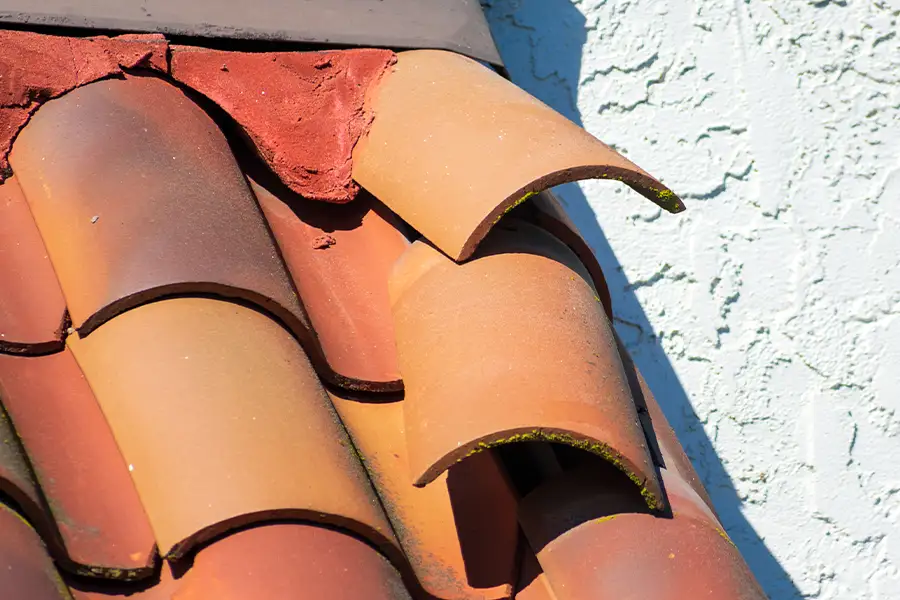
Arizona UV works on your roof the way it works on your skin, constantly. Shingles dry out, fade, crack, and peel; the protective oils and granules that keep them flexible get baked away. Tile handles the sun better, but the underlayment beneath it doesn't; heat is exactly why tile underlayment needs renewing every 15 to 25 years here. The full story is in my post on whether the sun can damage your roof (spoiler: it's the main thing that does).
Thermal stress
Hundred-degree days into cool desert nights means every material on your roof expands and contracts daily. Over years, that cycling cracks shingles, opens seams on flat roofs, and works fasteners loose. Flat roofs feel it most; the fix is materials rated for the swings and inspections that catch movement early.
Monsoon season hazards
Wind damage
Monsoon gusts lift shingles, shift tiles, and turn loose material into projectiles. Once the outer layer is compromised, the next storm's rain has a way in. After any major storm, check the yard for shingle pieces and look for shifted tiles from the ground; my dust storm damage guide covers the post-haboob checklist in detail.
Water damage
Monsoon rain is intense and sideways. It finds deteriorated flashing, aged underlayment, and every unsealed penetration, then rots decking, feeds mold, and stains ceilings. The pattern I see every summer: the heat damage from May creates the openings, and the July storms exploit them. If water is coming in right now, my emergency roof repair page is the fastest path.
Improper roof installation
Not every roof problem is nature's fault. A large share of what I repair traces back to whoever installed the roof: too few fasteners, misaligned materials, and above all, bad flashing work. Poor installation shortens a roof's life by decades and usually stays invisible until it leaks.
Poorly installed flashing
Flashing seals the joints, around vents, chimneys, skylights, and where roof meets wall. It's the most common leak source I find, and it fails from sloppy installation far more often than from age. If a leak shows up near any roof penetration, flashing is the first suspect.
Incorrect ventilation
An attic that can't breathe cooks the roof from below: shingles age early, decking warps, and cooling bills climb. Proper intake and exhaust venting is cheap to fix and pays for itself; my Arizona roof ventilation guide covers how to tell if yours is working.
The prevention for all of it is the same: hire licensed, verifiable work. Every legitimate Arizona roofer has an ROC number you can check in seconds (mine is #325377, verify it here).
Seeing any of these problems on your roof?
I'll come take a look myself, for free, and tell you honestly which problems are real, which can wait, and what each costs to fix.
Call or text Andy: 480-363-2898Wildlife and pest intrusions
Birds nest under tile edges, roof rats chew through soffits and vents, and the mess they leave holds moisture against your roofing materials. The signs are nests, droppings, gnawed fascia, and scratching sounds at dusk. Solutions: seal entry points, screen vents, trim branches that give animals a bridge to the roof, and fix the damage promptly before water follows the pests in.
Maintenance problems (the self-inflicted kind)
Gutter and drainage issues
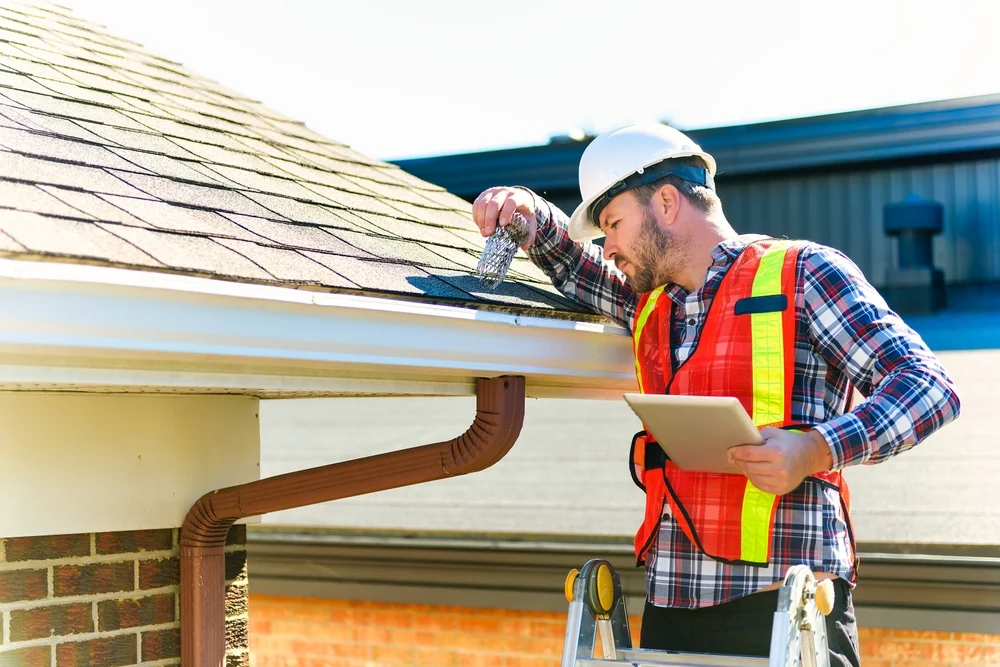
Clogged gutters back water up under roof edges; clogged scuppers pond water on flat roofs. Both turn a rainstorm into a leak. Clean them twice a year and before monsoon season, every time.
Aging and deterioration
Every roof ages, and Arizona accelerates it. Granules collecting in gutters, curling shingle edges, cracked tiles, and brittle underlayment are the roof telling you where it is in its life. Ignoring the signals doesn't pause the clock; it just moves the eventual bill from "repair" toward "replace."
A note for Chandler and Gilbert homeowners
Local conditions sharpen all of the above. East Valley neighborhoods take the brunt of monsoon outflow winds and haboobs coming across the open desert, and the dominant roof here, concrete tile from the big 1990s and 2000s building booms, is now hitting exactly the age where original underlayment fails. If your Chandler or Gilbert home still has its builder-original roof from that era, it's worth an inspection even if nothing is leaking yet; catching underlayment wear before the monsoons is dramatically cheaper than after. My crews and I work these neighborhoods daily; details on the Chandler and Gilbert pages.
One more local factor: flat-roof sections over Arizona rooms and additions are common here, and their drainage needs a pre-monsoon check every year without exception.
Energy efficiency problems
A struggling roof costs you twice: once in damage, again on the power bill. Failed insulation, blocked ventilation, and dark heat-absorbing surfaces force the AC to fight the roof all summer. Fixes worth considering, in rough order of payback: unblock and balance attic ventilation, add insulation, and at replacement time choose reflective materials. My guide to energy-efficient roof types compares the options.
Choosing materials that avoid these problems
Material choice is problem prevention. Concrete and clay tile absorb heat slowly and last the longest here; quality architectural shingles are the budget option that trades lifespan for upfront cost; foam handles flat roofs better than anything else in this climate. The full comparison is in my best roofing for Arizona guide, and the honest cost math is in the replacement cost guide.
Common questions
Why does my roof need regular inspections?
Because every problem on this page is cheap early and expensive late. A yearly inspection, ideally before monsoon season, catches sun damage, loose material, and flashing wear while they're still minor repairs.
What's the most common roof repair in Arizona?
Storm-damaged shingles and tiles, followed closely by flashing leaks and aged-out tile underlayment. Most repairs land in the $500 to $3,500 range depending on scope; the leak repair cost guide breaks that down.
What damages Arizona roofs the most?
The sun, full stop. UV and heat cycling do more cumulative damage than every monsoon combined, and they're also what weakens the roof so storms can finish the job.
How do I keep wildlife off my roof?
Trim overhanging branches, screen vents and openings, secure trash, and fix gaps promptly. Once animals establish, remove them and then seal, in that order.