Have solar panels and need a roof replacement? It's a more coordinated project than a standard reroof, but it's routine when the sequencing is right: panels off, roof replaced, panels back on, everything warranted and working. Here's the whole process, what it costs, and how to keep the two trades from pointing fingers at each other.
Key takeaways
- The sequence is fixed: solar professionals remove the panels, the roofer replaces the roof, then the solar crew remounts and reconnects. Roofers don't touch the electrical; solar crews don't do the roofing.
- Panel removal and reinstallation adds real cost, typically several hundred dollars per panel, which is exactly why roof condition should be settled before panels ever go on.
- Coordination is the whole game. A roofer who regularly works with solar companies makes this a scheduled dance instead of a standoff.
Your roof's age and lifespan
If you're reading this before installing solar, you're in the lucky position: check the roof first. A roof past ten years old, or showing any of the signs in my guide on telling whether a roof needs replacement, deserves a hard look before panels go on. Replacing the roof first spares you the entire removal-and-reinstall expense later, gives the panels a foundation that matches their 25-year lifespan, and generally makes both systems perform better. I've written a full decision guide on that question: should I get a new roof before installing solar panels.
Timing-wise, schedule the combined project outside monsoon season when you can. Dry weather makes every phase simpler.
The process of replacing a roof with solar panels
Consultation and planning
Start with a roofing contractor who has actually run this play before. Experienced roofers work with local solar companies regularly and will coordinate the panel removal and reinstallation as part of the project plan, including scheduling both crews so your panels are off the roof for days, not weeks. Planning also covers permits: the roof replacement needs its own permit, and the solar reconnection needs to satisfy the utility and the city. A well-planned project locks all of this before the first tile moves.
Roof replacement
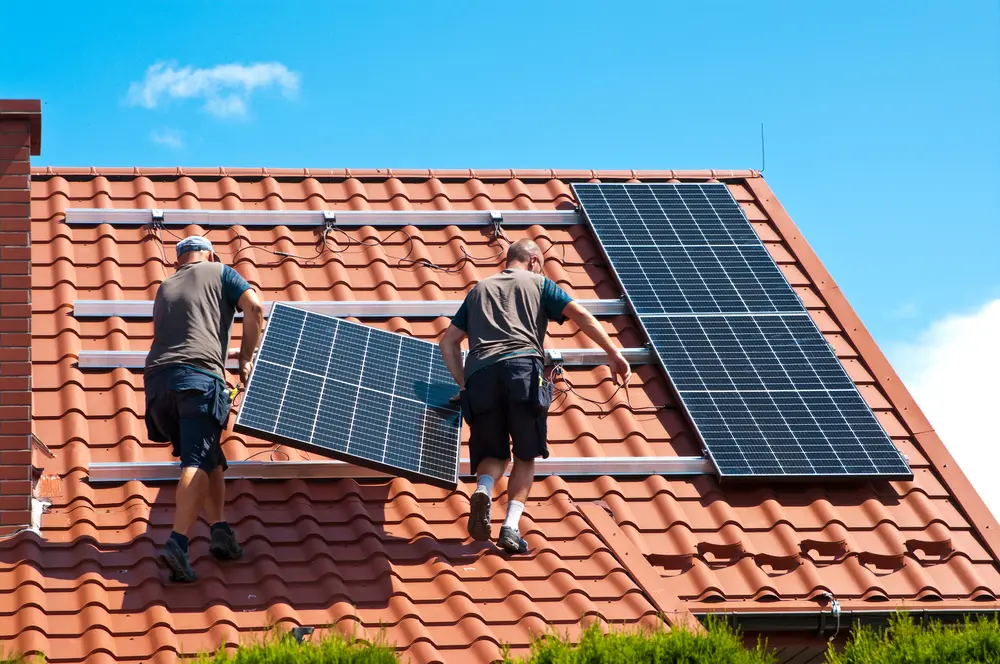
The solar company professionally disconnects and removes the panels and racking, and the mounting layout gets documented so everything returns to the correct positions. Then the roof replacement proceeds normally: tear-off, decking inspection and repair, new underlayment and new roofing. If you're choosing materials at this stage, factor in solar compatibility; your roofer can steer you toward materials and flashing details that play well with panel mounts for the decades ahead.
Reinstalling solar panels
With the new roof complete, the solar crew remounts the racking (with fresh, properly flashed penetrations through the new roof, which is a detail worth explicitly confirming), reinstalls the panels, and reconnects the system to your home's electrical service. Expect a final inspection and utility sign-off before the system is producing again. Done right, you end up with a new roof and a solar array that's often mounted better than it was the first time.
Cost factors and financial considerations
Roof replacement costs
The roofing side prices like any replacement: materials, labor, roof size and complexity, and what the tear-off reveals. Every honest number comes from an actual roof visit, and my Arizona roof replacement cost guide covers what drives the total. Financing options exist if spreading the cost helps.
Solar panel removal and reinstallation costs
The solar side adds its own line item: removal and reinstallation commonly runs several hundred dollars per panel depending on system size, racking type and local rates, so a typical residential array adds a meaningful sum to the project. Get this quoted in writing from the solar company up front so the total project budget is real. And note the tax angle: the IRS has clarified that roofing costs don't qualify for the federal solar tax credit, so budget the roof as a roof.
Roof aging under your solar panels?
I'll inspect it for free and tell you honestly whether it needs work now or has years left. If it does need replacing, I coordinate the solar removal and reinstall so you only manage one project.
Call or text Andy: 480-363-2898Choosing the right solar installers and roofing professionals
Experience and credentials
Both trades need real credentials. For the solar side, NABCEP certification is the industry gold standard, along with state licensing and several years of installations. For the roofing side, an Arizona ROC license you can verify in seconds (mine is #325377) plus specific experience on solar-equipped roofs. My guide on what to look for in a roofing company covers the vetting checklist in full.
Reviews and recommendations
For a coordinated project like this, ask each company one specific question: "Tell me about the last roof-plus-solar project you did, and who you worked with." Companies that do this regularly have ready answers and existing working relationships. References from past combined projects tell you more than general reviews, because the failure mode here isn't bad roofing or bad solar work; it's the handoff between them.
Summary
Replacing a roof with solar panels is a solved problem: solar crew off, roofer on, solar crew back, with clear scopes and one coordinated schedule. The cost of the panel handling is also the lesson in it: settle your roof's condition before panels go on, and if you're already past that point, hire a roofer who treats the coordination as part of the job. I've partnered with experienced East Valley solar installers on many of these projects in Chandler and Gilbert, and the estimate, as always, is free: call or text 480-363-2898 or request one online.
Frequently asked questions
Does a new roof count toward the solar tax credit?
No. The IRS has clarified that the federal solar credit doesn't cover roofing or roof repair costs, even when the roof work enables the solar installation. Budget the roof separately.
What is the ideal roof age for solar panel installation?
Ideally under ten years old and free of structural or wear issues, so the roof's remaining life matches the panels'. On East Valley tile roofs, have the underlayment condition professionally assessed regardless of how the tiles look.
Who removes the solar panels during a roof replacement?
A solar professional, always. Panels involve electrical disconnection, racking and manufacturer warranty conditions that belong with the solar company, while the roofing belongs with the roofer. Your roofer should coordinate both.
How long are the panels off the roof?
On a well-coordinated residential project, typically only the few days the roof replacement takes. Scheduling both crews back-to-back is exactly the planning work that a roofer experienced with solar handles for you.