The short answer: the tiles themselves can last 50 to 100 years in Arizona. The honest answer: your tile roof is a system, and the part that fails first isn't the tile. It's the underlayment hiding beneath it, which in our heat typically needs replacing every 15 to 25 years. Understanding that difference is the whole game with tile roofs, so let's walk through it.
Key takeaways
- Clay tiles can last up to 100 years and concrete tiles 50 plus, and both handle Arizona heat and sun better than almost any alternative.
- The underlayment beneath the tiles is the working waterproof layer, and it wears out decades before the tiles do.
- Regular inspections and prompt small repairs are what actually get a tile roof to its full lifespan.
What determines tile roof lifespan
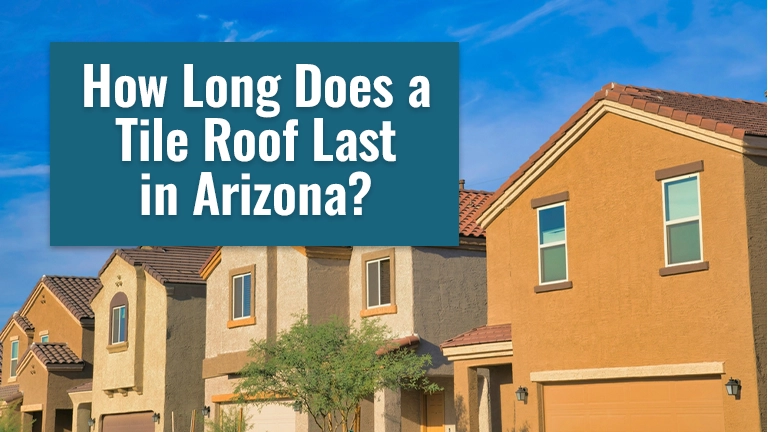
Three things: the weather it faces, how well it was installed, and how it's maintained. Tile already wins the weather battle; it resists heat and sun damage better than any shingle. Arizona's extreme temperature swings, dust storms, and monsoons still take their toll on the system's weaker parts though, and a badly installed tile roof can fail in a decade while a well-installed one shrugs off hail. Installation quality is invisible from the street, which is why you verify the installer: every legitimate Arizona roofer has an ROC number (mine is #325377, verify it here).
The parts of a tile roof and what each needs
The tiles
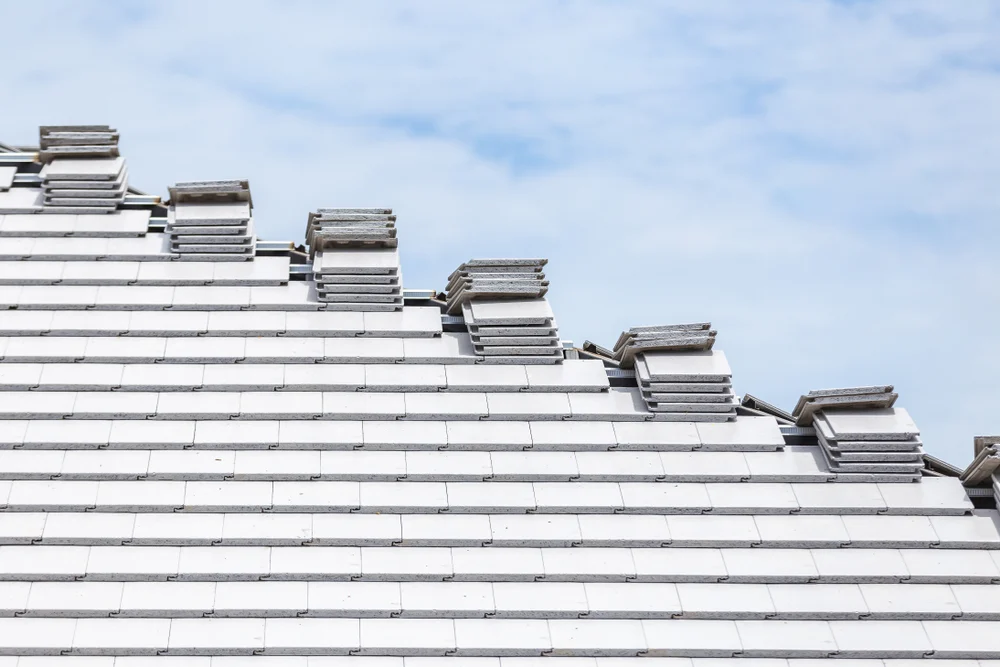
Clay, concrete, or sandcast, the tiles are the armor: they block sun and shed most of the water. They need occasional inspection for cracks and slipped pieces, and broken tiles should be swapped promptly so the layer underneath isn't exposed. What they don't need is foot traffic; walking on tile is the number one way tiles get broken.
The underlayment
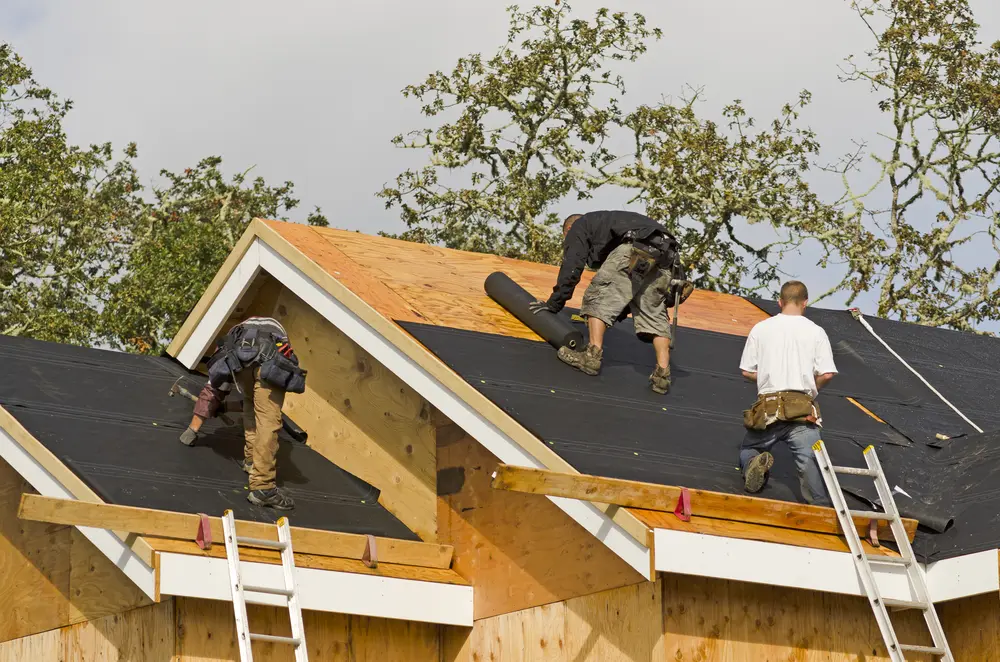
This is the actual waterproof membrane, and it's the part with the shorter clock. Heat bakes it season after season, and after 15 to 25 years (depending on the product grade) it cracks and stops sealing. When an Arizona tile roof "fails," this is almost always what failed. The fix is a tile underlayment replacement: tiles come off carefully, new membrane goes down, and your same tiles go back on. You don't buy a new roof; you renew the layer that wore out. Choosing the right membrane matters, and I compare the options in my tile underlayment guide.
Eaves and gutters
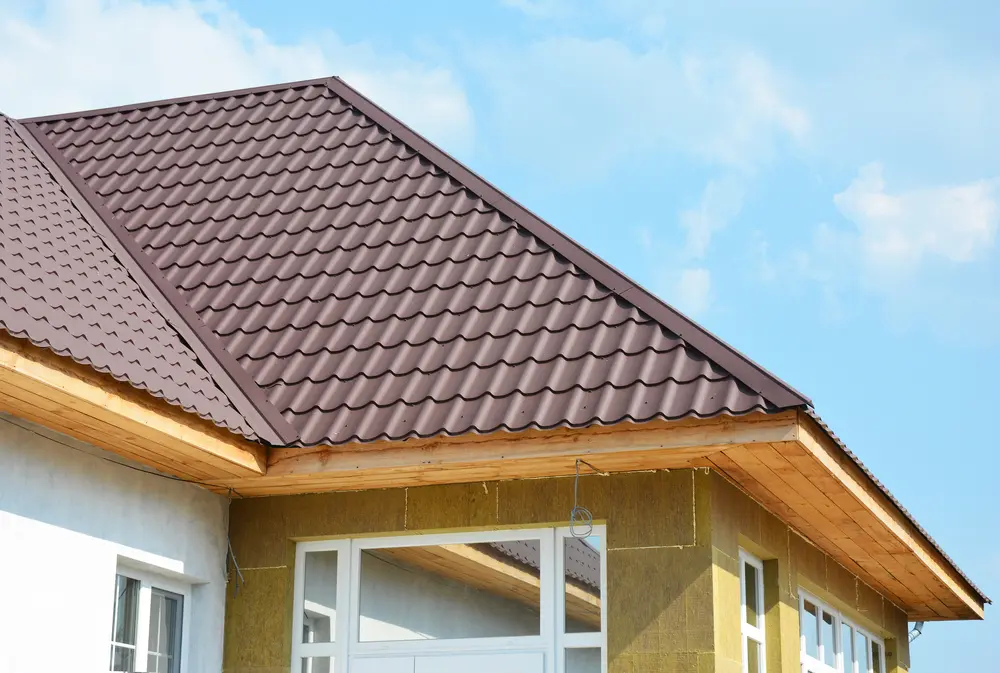
The roof's edges shield the walls below and carry water away. Inspect them for decay and pest activity, keep gutters clear, and repair damage early. Deteriorating fascia is often the first visible hint that water is getting past the underlayment above.
Not sure how much life your tile roof has left?
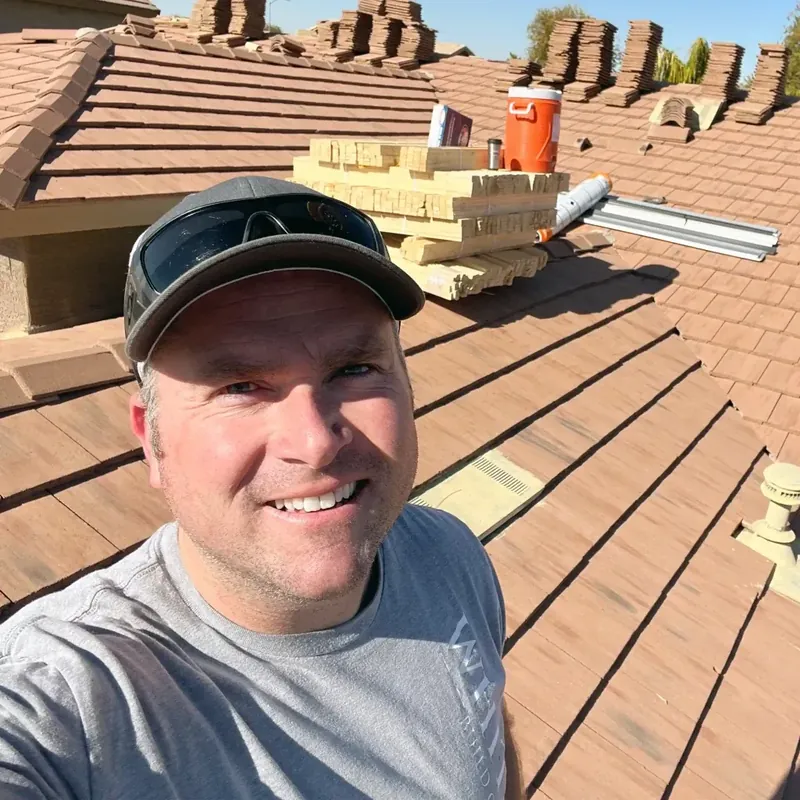
I'll pull a few tiles, check the underlayment underneath, and give you an honest read: years left, or time to plan. Free inspection, done by me personally.
Call or text Andy: 480-363-2898Roof inspections: the cheap way to a long life
Once a year is the right rhythm for tile roof inspections in the East Valley, plus a check after any major storm. A proper inspection looks past the tiles at the underlayment condition, flashing, and valleys, the places problems actually start. Catching underlayment wear early means you plan the replacement on your schedule; catching it late means you find out via a ceiling stain during monsoon season. A free inspection is where I'd start if yours hasn't been looked at in a few years.
Clay vs. concrete tiles
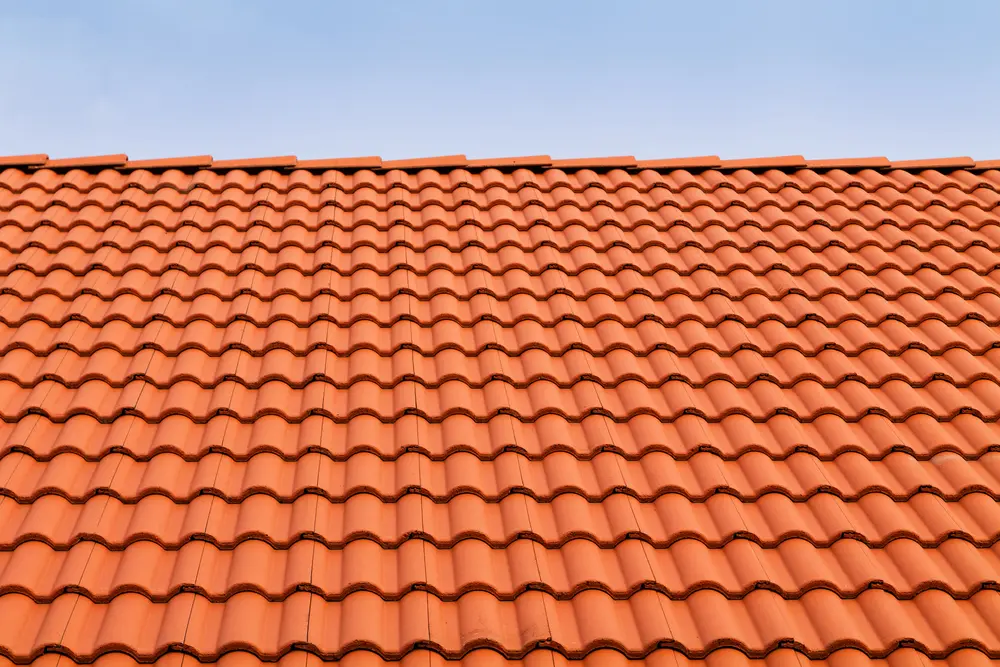
Clay tiles
The century roof. Clay resists fading, handles heat beautifully, and carries the classic Southwestern look. The trade-offs: higher cost, more weight, and more fragility underfoot than concrete.
Concrete tiles
The East Valley workhorse. Concrete tiles last 50 plus years, cost less than clay, come in every profile and color, and are what most Chandler and Gilbert homes carry. Their color can soften over decades and they're heavy, but as a value proposition they're hard to beat. The newer communities further out are the same story: most roofs in Queen Creek and San Tan Valley are concrete tile too, and the 2000s-built ones are reaching the age where the underlayment under them matters.
Extending the life of your tile roof
- Inspect yearly and after major storms.
- Replace broken tiles promptly, and keep spare tiles from your roof if you ever have work done, since color matching old tile later is hard.
- Plan the underlayment replacement around the 15 to 25 year mark instead of waiting for leaks.
- Stay off the roof. Foot traffic breaks tiles. Leave the walking to people who do it daily.
More general upkeep advice is in my Arizona roof maintenance guide.
Alternatives to tile
Composite tiles mimic the tile look with recycled materials and less weight. And if you're comparing tile against the budget option, my shingle vs tile comparison lays out the honest math for Arizona.
Common questions
How often does tile roof underlayment need replacing in Arizona?
Typically every 15 to 25 years depending on the product installed. Heavier modified and self-adhering membranes last longest in our heat.
Does a tile roof last longer than shingles?
Substantially. Asphalt shingles run 15 to 25 years here; tile systems, with underlayment renewals, protect a home for 50 to 100 years.
Does walking on a tile roof damage it?
Yes. Tiles crack under concentrated weight, and cracked tiles let water at the underlayment. Inspections and repairs belong to people trained to walk tile.
What does it cost to replace a tile roof in Arizona?
It depends on whether you need full replacement or just new underlayment under your existing tiles, which is the more common (and much cheaper) case. My Arizona roof replacement cost guide breaks down the real numbers.