Arizona roofs live hard lives: extreme heat, punishing UV and monsoon storms every summer. So how long does a roof actually last here? Anywhere from 15 to 100 years, depending on the material, the installation and the care it gets. Here are the honest numbers by roof type, and the signs yours is running out of time.
Key takeaways
- Material sets the ceiling: shingles give you roughly two decades here, tile gives you several, foam renews itself with recoating.
- The desert shortens every manufacturer's brochure number. Heat, UV and monsoons age roofs faster than milder climates do.
- Installation quality and maintenance determine whether your roof reaches its potential lifespan or falls a decade short of it.
Understanding roof lifespan in Arizona
Three forces decide how long your roof lasts: the climate (fixed), the material (your biggest choice), and the quality of installation and upkeep (the part most people underestimate). The best tile money can buy fails early over sloppy workmanship, and a modest shingle roof can beat its rating with good care.
Impact of extreme heat
Summer roof surfaces here routinely pass 150 degrees, and that heat accelerates aging in everything organic: asphalt dries out and cracks, wood degrades, sealants fail. UV compounds it, breaking materials down at the molecular level year after year, and sun damage is cumulative and mostly invisible until it isn't. UV-resistant materials, lighter colors and protective coatings all push back, and tile's natural heat resistance is a big part of why it rules this market.
Effects of monsoon season
Monsoons deliver the year's stress test: sudden downpours that overwhelm drainage, winds that lift shingles and slide tiles, and dust storms that scour surfaces and clog everything. Flat roofs are particularly vulnerable to ponding after heavy rain. Every weakness the summer sun created, the monsoon finds. That's why the smart inspection schedule here is built around the monsoon: check before it arrives, check after it leaves.
Importance of installation quality
Most roofs that die young were killed on installation day; it just takes years for the evidence to surface. Wrong fastening, sloppy flashing, cheap underlayment and poor ventilation all cash out as premature failure. A licensed contractor working to code and manufacturer spec is the single best lifespan investment you can make, and you can verify any Arizona roofer's license with the ROC in seconds. Mine is #325377.
Lifespan of various roofing materials in Arizona
Asphalt shingles: 15 to 25 years
The most affordable option, and the one the desert punishes hardest. Quality architectural shingles installed well can reach 25 years here; basic three-tab shingles on a hot exposure may show real wear by 15. Regular maintenance and good attic ventilation stretch the number.
Tile roofs: 50+ years, with an asterisk
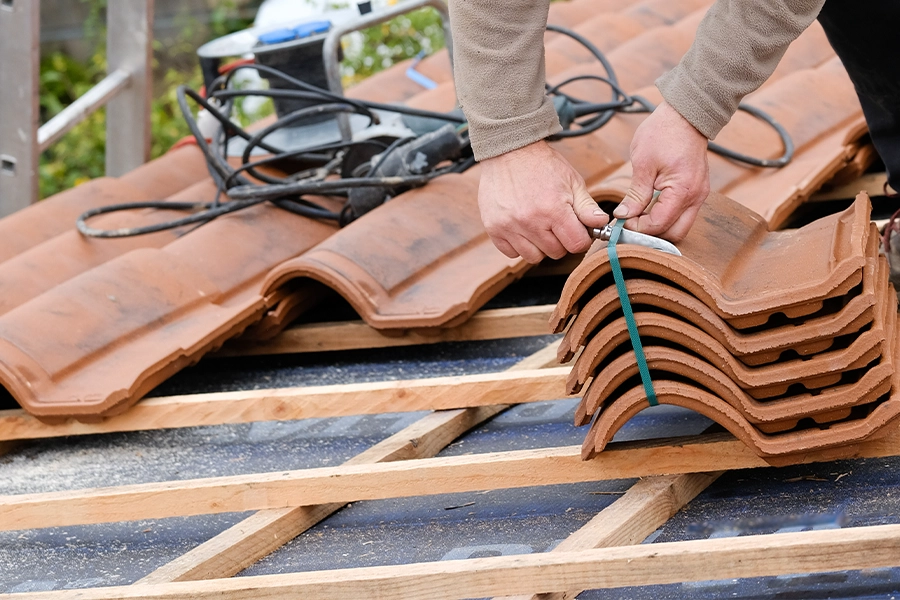
Clay and concrete tiles themselves last 50 to 100 years, handling our sun better than any other common material. The asterisk: the underlayment beneath the tiles lasts 20 to 25 years, and when it fails, the roof leaks no matter how good the tiles look. The standard East Valley fix is underlayment replacement: lift the tiles, replace the felt, relay the same tiles. Budget for that at the two-decade mark and a tile roof will genuinely serve for generations.
Foam roofs: 20 to 30 years, renewable
Foam is the flat-roof standard here, typically rated 20 to 30 years, but with a unique property: recoating every 5 to 7 years renews the surface, so a maintained foam roof keeps extending its own life. Neglect the coating and the sun eats the foam; maintain it and the roof effectively refuses to expire on schedule.
Wood shakes and shingles: 15 to 25 years
Wood looks beautiful and struggles here. Heat and UV dry and crack it faster than in the climates it was designed for, and it needs the most maintenance of anything on this list. It's a rare choice in the East Valley for exactly those reasons.
Not sure how much life your roof has left?
That's a question I can answer in one visit. I'll inspect your roof for free, tell you honestly what stage of life it's in, and what (if anything) it needs. No pressure, no invented urgency.
Call or text Andy: 480-363-2898Signs your roof may need replacement
Cracked or missing shingles
Scattered cracked, curling or missing shingles signal a roof aging out. One or two are a repair; a pattern across the roof is a countdown. My guide on how to tell if your roof needs replacing covers the full checklist.
Leaks and water damage
Ceiling stains mean water is already past your roof's defenses. On tile roofs this usually means the underlayment has failed. Either way, leaks compound fast; address them promptly rather than watching the stain grow.
Sagging roof structures
Sagging is the serious one: it points to structural problems in the decking or framing, often from long-term moisture. That's an immediate professional call, not a someday item.
Maintenance tips to extend roof lifespan
Regular inspections
Twice a year, ideally before and after monsoon season, plus after any major storm. Inspections catch small problems at small prices, and mine are free, so there's no economic reason to skip them.
Gutter cleaning
Clogged gutters back water up under roofing materials and dump it at your foundation. Clearing them is the cheapest roof-lifespan insurance there is.
Protective coatings
On flat and foam roofs, reflective elastomeric coatings are the difference between a roof that lasts and one that doesn't; they take the UV abuse so the roof underneath doesn't. Professional application matters, since coverage thickness determines performance.
Choosing the right roofing contractor
Every lifespan number above assumes competent installation, so the contractor choice is really a lifespan choice. Verify the license with the Arizona ROC, confirm insurance, and read reviews that go back years rather than weeks. If you're weighing whether an aging roof is worth another repair or ready for replacement, my repair or replace guide walks through exactly how I make that call, honestly, because I'd rather do the right small job now than the wrong big one.
Summary
In Arizona, shingles give you 15 to 25 years, foam gives you 20 to 30 with renewable coatings, and tile can outlast everyone as long as the underlayment gets its mid-life replacement. The desert is hard on all of them, but installation quality and boring, consistent maintenance decide which end of each range your roof reaches. If you don't know where yours stands, a free inspection answers it.
Frequently asked questions
How long does a roof last in Arizona?
Between 15 and 100 years depending on material: shingles 15 to 25, foam 20 to 30, and tile 50-plus with underlayment replacement around year 20 to 25.
What is the average age to replace a roof?
Most shingle roofs here need replacement in their early twenties; tile roofs need underlayment work on a similar clock even though the tiles carry on. The real answer comes from inspection, not averages.
How much does a roof replacement cost in Arizona?
It varies widely with material, size and scope, which is why I bid every job individually after seeing the roof. My Arizona roof replacement cost guide breaks down what drives the number.
How often should I inspect my roof in Arizona?
Twice a year, timed around monsoon season, plus after severe storms. Older roofs deserve extra attention.
What are the signs my roof needs replacement?
Widespread cracked or missing shingles, recurring leaks, water stains, granule loss and any sagging. One symptom means get it checked; several mean start planning.