The direct answer: as fast as you reasonably can, ideally within days of discovering it. Water starts doing real damage within 24 to 48 hours, and in Arizona the clock runs faster during monsoon season, when the next storm is always a week away. Here's the actual damage timeline, what waiting costs, and the sensible order of operations.
Key takeaways
- Within 24 to 48 hours, a leak starts soaking insulation and decking. Mold can establish within days.
- Waiting converts a contained repair into interior damage, and insurers can deny claims when damage traces to a known, neglected leak.
- Temporary fixes buy you until the repair appointment, not until next year. Schedule the permanent fix immediately.
Why speed matters with roof leaks
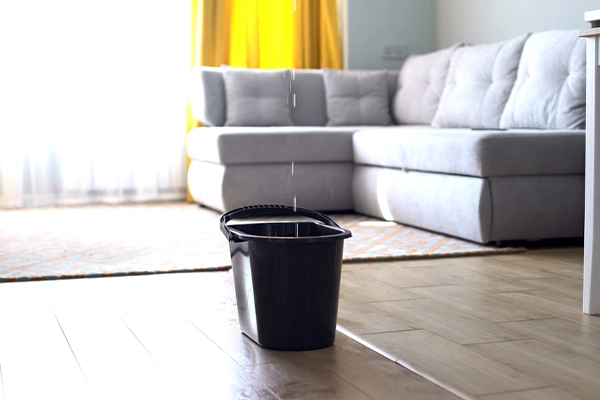
A roof leak never stays the size you found it. Every storm pushes more water through the same opening, and the water works on everything it touches: insulation compresses and stops insulating, wood decking swells and rots, drywall stains and sags, and electrical runs get wet. What starts as one drip line during a heavy storm turns into a spreading problem that costs multiples of the original repair.
If you have active dripping right now, start with the triage steps in what to do if your roof is leaking: move belongings, contain water, relieve any ceiling bulge, then get the repair moving.
Recognizing a leak early
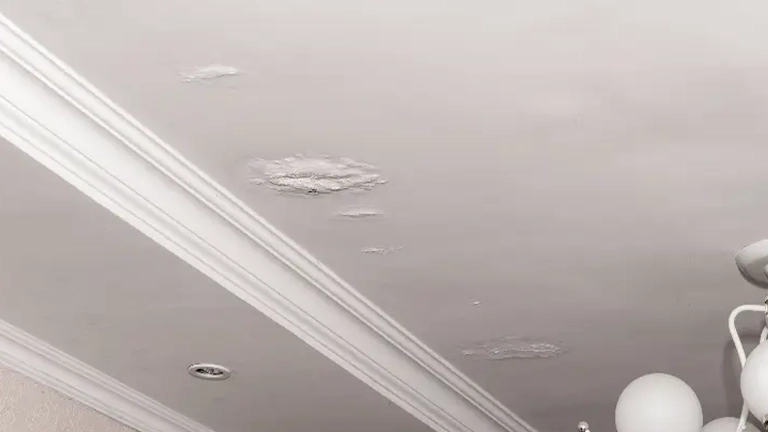
The earlier you catch it, the cheaper it stays. Watch for:
- Ceiling discoloration in gray, brown, or yellow, even faint rings
- Peeling paint, bubbling texture, or hairline ceiling cracks that grow after storms
- Sagging or bulging drywall (significant accumulated water, act now)
- Mold, mildew, or a musty smell in rooms or the attic
Some leaks show nothing inside for months while damaging the structure. That's the case for a yearly professional look; a free inspection catches what ceilings don't show.
The damage timeline
- First 24 to 48 hours: water soaks insulation and decking and begins wicking through porous materials. Mold spores activate in damp conditions.
- First weeks: mold colonies establish, wood begins to rot, stains spread, and each new storm re-wets everything before it can dry.
- Months: structural wood weakens, ceilings fail, electrical and HVAC systems take damage, and the repair scope has grown from the roof to the rooms below it.
Found a leak? Don't sit on it.
Call or text me today. I'll find the source, show you photos, and give you a firm repair price. Free inspection, done personally, usually fast.
Call or text Andy: 480-363-2898What waiting costs
Three ways delay gets expensive. First, scope: a contained roof repair (most run $500 to $3,500 in the East Valley; details in the cost guide) grows into roof repair plus drywall, insulation, paint, and sometimes mold remediation, which is its own substantial bill. Second, insurance: carriers cover sudden storm damage, not damage from a leak you knew about and didn't address, and adjusters can tell the difference. Third, the roof itself: prolonged leaking can push a repairable roof into replacement territory by rotting the deck underneath. If the leak is over your head right now and you're local, that's what my Chandler roof repair and Gilbert roof repair pages are for; leaks go to the front of the line.
What makes some leaks worse than others
Aging materials leak more readily, and Arizona's heat accelerates the aging: baked-out underlayment and brittle shingles give water more paths. Poor original installation shows up as flashing leaks around penetrations. And monsoon season multiplies everything; a marginal spot that weeps in a normal rain opens up under wind-driven storm rain. After any big storm, my storm damage checklist is worth ten minutes of your time.
Temporary vs. permanent fixes
Tarps, roofing tape, and sealants have a place: keeping water out between discovery and the repair appointment. They fail under Arizona UV within weeks to months, and some (badly applied tape and cement especially) complicate the eventual permanent repair. Use them as the bridge they are, with the real repair already on the calendar. A proper fix addresses the entry point and any damaged layers beneath it, which is what stops the cycle.
DIY or call a pro?
If the cause is small, obvious, and safely reachable, a capable homeowner can handle a stopgap. Beyond that, the hard part of leak repair is diagnosis; water enters uphill from where it drips, and fixing the wrong spot just delays the damage. Valleys, skylights, chimneys, and anything on a steep or tile roof belong with a professional, both for the result and because roofs are genuinely dangerous to walk. Verify whoever you hire: every legitimate Arizona roofer has an ROC number (mine is #325377).
Preventing leak emergencies
Almost every emergency leak call I take in July was preventable in May. The routine: a yearly inspection before monsoon season, clean gutters, trimmed trees, and prompt repair of small damage. It's all covered in my Arizona roof maintenance guide, and the inspection part is free when I do it.
Common questions
How long can a roof leak go before it causes damage?
Damage starts within the first day or two. Visible interior damage might take weeks to show, but by then the hidden layers have been wet the whole time.
Is a small leak really urgent?
Yes, because "small" describes the symptom, not the problem. The opening in the roof and the water path behind it are usually bigger than the drip suggests.
Will insurance cover leak damage if I wait?
The longer a known leak sits, the more the damage looks like neglect instead of a covered event, and neglect gets denied. Document early, act early. My insurance claims guide covers the process.
Can you repair a leak during monsoon season?
Yes. Repairs need a dry roof surface, so timing between storms matters, but waiting out the season with a tarp is exactly how small leaks become big ones. For urgent situations, use emergency roof repair.