Curious how long a foam roof actually lasts? With proper care, foam roofs run 20 to 50 years and sometimes more, and Arizona's dry climate is actually on their side. The catch is that "proper care" does real work in that sentence. Here's what determines whether your foam roof dies at 15 years or cruises past 40.
Key takeaways
- A foam (SPF) roof typically lasts 20 to 30 years, and well-maintained ones go well beyond that. The foam itself rarely fails; the protective coating is what wears out.
- Recoating every 5 to 7 years and fixing small cracks promptly are the two habits that decide a foam roof's lifespan.
- Installation quality matters as much as maintenance. A foam roof sprayed badly on day one never reaches its potential no matter how well you care for it.
Understanding foam roofs
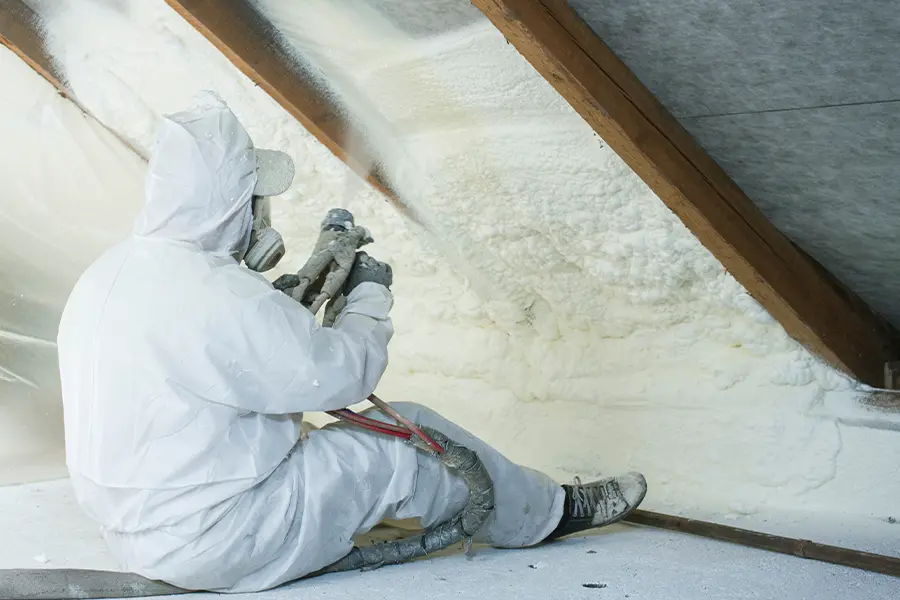
Spray polyurethane foam (SPF) roofing goes on as a liquid and expands into a solid, seamless layer that bonds to the roof deck. Because there are no seams, joints or fasteners, there are far fewer places for water to get in, which is a big part of why foam roofs age so well on the flat and low-slope roofs common across the East Valley.
What is spray polyurethane foam?
SPF is created by mixing two reactive components, isocyanate and polyol, at the spray gun. The mixture expands and cures into a strong, lightweight, self-flashing membrane with excellent insulating value. It can be applied over a range of substrates as long as the surface underneath is sound and dry.
Benefits of foam roofing
Foam insulates at roughly R-6.5 per inch, keeps summer heat out of the house, and waterproofs the roof in one seamless layer. In Arizona that combination translates directly into lower cooling loads and fewer leak points. I cover the full picture, including the honest downsides, in my posts on what a foam roof is and foam roof disadvantages.
How long do foam roofs last?
Average lifespan
The typical foam roof lasts 20 to 30 years. Well-installed, well-maintained foam roofs regularly pass 40 and 50 years, because a recoat restores the surface without touching the foam underneath. In that sense a foam roof is closer to a renewable system than a disposable one: as long as the foam stays protected, you keep resetting the clock.
Factors affecting longevity
Three things decide where your roof lands in that range. First, installation quality: foam sprayed in wrong conditions or at the wrong thickness fails early and there's no maintenance schedule that fixes it. Second, sun exposure: UV is the main aging force on any Arizona roof, and the coating is your only shield. Third, how fast small problems get fixed. A crack caught early is a cheap sealant repair; the same crack ignored through a monsoon season means saturated foam. If you're unsure what shape your roof is in, that's exactly what a free roof inspection is for.
Not sure how much life your foam roof has left?
I'll get on the roof, check the coating and the foam, and tell you honestly whether it needs nothing, a recoat, a repair or replacement. Free, and I do it personally.
Call or text Andy: 480-363-2898Maintenance tips to extend foam roof life expectancy
Regular inspections
Look the roof over at least twice a year, ideally spring and fall, plus after any serious monsoon storm. Watch for ponding water, cracks, blisters and any spot where the foam shows through the coating as yellow or orange. Those discolored spots are the coating telling you it's done its job and needs renewal.
Recoating schedule
Recoat every 5 to 7 years, depending on the coating material and exposure. Silicone and acrylic elastomeric coatings are the usual choices here. The recoat is the whole ballgame for foam longevity: it costs a fraction of a new roof and is the reason foam roofs can serve for decades.
Prompt repairs
Small cracks and punctures should be sealed with roofing-grade mastic right away so water never reaches the foam. Left alone, minor surface damage becomes saturated foam and a much bigger job. Most roof repairs I do, foam included, run between $500 and $3,500 depending on scope.
Signs your foam roof needs attention
Visible damage
Cracks, pitting, soft spots and discoloration are the common warning signs. Yellow or orange patches mean exposed foam; soft spots can mean moisture underneath. A creeping summer power bill can also point to a roof surface that's lost its reflectivity and insulation performance.
Water leaks
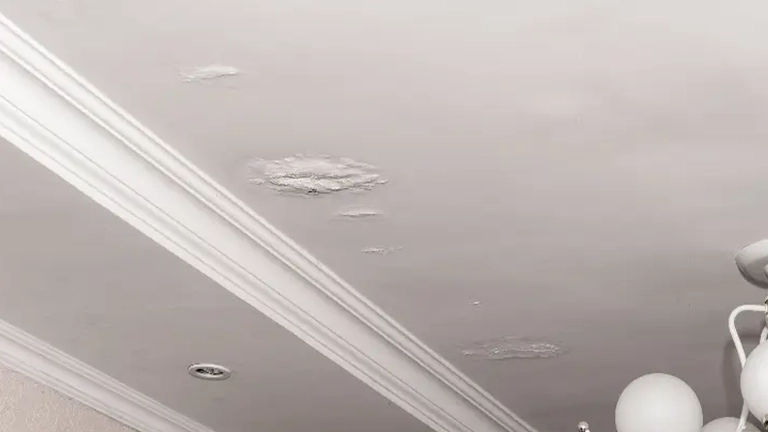
A leak means water has found a path through the foam layer, usually via a crack or blister that opened up with thermal expansion and contraction. Foam leaks are very repairable when caught early, but they don't fix themselves. If you're seeing ceiling stains, my post on what to do if your roof is leaking covers the immediate steps.
Choosing the right contractor for installation and maintenance
Vetting contractors
Foam is a specialty. Verify the Arizona ROC license (mine is #325377 and you can check any contractor's in seconds), ask specifically about foam experience, and ask for references from foam jobs that are five or more years old. Recent jobs all look good; older ones tell you the truth. My post on what to look for in a roofing company goes deeper.
Importance of professional maintenance
A professional inspection catches things a glance from a ladder misses: early blistering, coating thickness wearing thin, drains starting to clog. For foam roofs in Chandler and Gilbert, I fold that into the same free inspection I do for every roof type. Details on how I handle foam work are on my foam roofing page.
Cost considerations for foam roofs
Initial installation
Foam costs more upfront than patch-and-coat approaches, and the price depends on roof size, foam thickness, the condition of the existing roof and the coating system. I don't quote foam roofs sight unseen; every bid follows an actual roof visit, and the estimate is free.
Maintenance and repairs over time
Budget for a recoat every 5 to 7 years and occasional minor sealant repairs. Spread across decades of service, foam's total cost of ownership is one of its quiet strengths: the big expense happens once, and the upkeep is predictable.
Energy savings
Foam's insulation and reflective coating cut the heat load on your house, which shows up on summer cooling bills in a climate like ours. It's one of the reasons foam features heavily in my post on energy-efficient roofs.
Summary
Foam roofs are one of the longest-lived options for Arizona flat roofs, but the lifespan is earned, not automatic. Get it installed right, recoat it on schedule, and fix small damage fast, and 30-plus years is a realistic expectation rather than a sales pitch.
Frequently asked questions
How long do foam roofs typically last?
20 to 30 years is typical, and well-maintained foam roofs regularly exceed 40 because recoating renews the surface without replacing the foam.
How often should I recoat my foam roof?
Every 5 to 7 years, depending on the coating type and sun exposure. In the Arizona sun, err toward the earlier end rather than the later one.
What are the signs my foam roof needs maintenance?
Cracks, blisters, pitting, yellow or orange exposed foam, ponding water and interior ceiling stains. Any of those is worth a professional look, and mine are free.
Does Arizona heat shorten a foam roof's life?
UV exposure is the main aging force, but the coating system exists precisely to absorb it. A foam roof that stays coated actually does very well in our dry climate; moisture-heavy climates are harder on foam than heat is.
How do I choose the right contractor for foam roof work?
Licensed with the Arizona ROC, genuinely experienced with foam specifically, and able to show foam jobs that have held up for years. Ask for old references, not just recent ones.