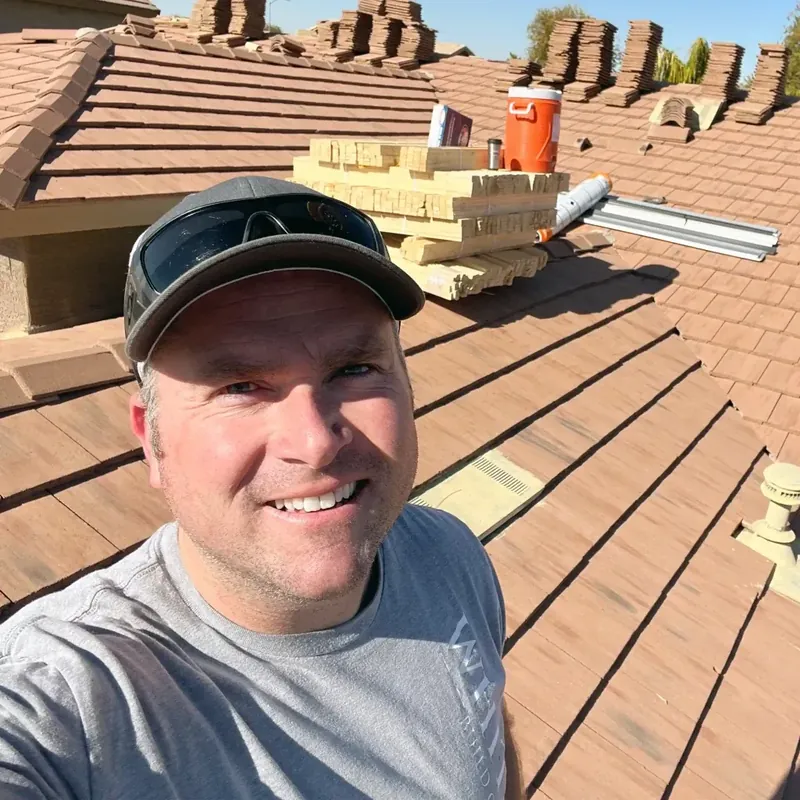
Wondering when to schedule a roof replacement in Arizona? Short answer: fall gives you the best combination of weather and working conditions, but every season here is workable with the right planning. Here's the honest season-by-season breakdown, plus what actually matters more than the calendar.
Key takeaways
- Fall is the sweet spot: comfortable temperatures, low rain risk, and ideal conditions for adhesives and sealants to cure. It's also the busiest season, so book early.
- Winter and early spring often mean faster scheduling and more contractor availability. In the Phoenix area, winter is a genuinely good time to replace a roof.
- Summer works too; East Valley roofers replace roofs year round. The real constraint is monsoon storms, which good contractors schedule around.
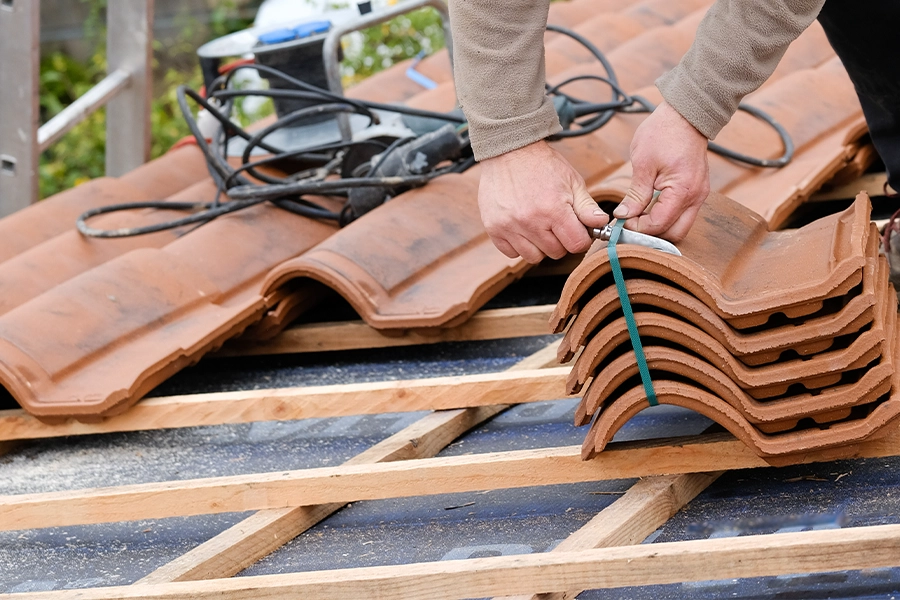
Evaluating the seasons for roof replacement in Arizona
Arizona's seasons each bring their own conditions, and an experienced crew can work in all of them. What changes is scheduling pressure, weather risk, and how pleasant the job is. Fall is the consensus favorite for conditions but brings high demand; winter flips that, with easier scheduling and mild weather that most of the country would call spring.
Spring
Valley springs run mild, roughly 74 to 99 degrees, which makes for excellent working conditions and good material handling. Demand is moderate, so scheduling is usually straightforward. Late spring starts pushing into real heat, so if spring is your window, earlier is better.
Summer
Summer replacements happen constantly here; crews start at first light and work smart around the heat. Long daylight and consistent dry mornings actually help production, and the heat activates shingle sealants quickly. The complication is monsoon season: afternoon storms from roughly late June through September can push schedules around, and no honest roofer leaves a torn-off roof exposed with a storm in the forecast. Summer is also peak demand because storm damage generates repair work, so book ahead.
Fall
Fall is the best all-around window: temperatures from roughly 49 to 81 degrees, low humidity, minimal rain and ideal curing conditions for adhesives and sealants. The catch is that everyone knows it. Fall calendars fill up fast, so if you want an October install, start getting bids in August.
Winter
Phoenix-area winters are mild enough for quality roofing work almost every day, and demand drops, which means faster scheduling and more contractor attention on your job. If your roof is ready now and it happens to be January, there is no good reason to wait ten months for fall.
Choosing the right roofing materials for your Arizona home
Timing matters less than what goes on the roof. The main options here are clay and concrete tile, asphalt shingles, and spray foam for flat roofs.
Asphalt shingles
Affordable, quick to install and available in many styles. In Arizona heat, plan on a 15 to 20 year service life rather than the longer numbers quoted for cooler climates. Lighter colors reflect more sun and hold up better on the power bill.
Tile roofing
The East Valley standard. Tile lasts 40 to 100 years depending on material, insulates well and handles our sun better than anything else on pitched roofs. The key detail: the underlayment beneath the tiles wears out decades before the tiles do, so most "tile roof replacements" here are really underlayment replacements that reuse your existing tile. That's a very different, more affordable project than a full new roof.
Trying to time your roof replacement?
I'll inspect your roof for free and tell you honestly whether it needs replacing now, next year, or not for a long while. No fake urgency, just what I actually see up there.
Call or text Andy: 480-363-2898Working with an experienced roofing contractor
The contractor decision outweighs the calendar decision every time. A skilled crew produces a quality roof in July; a sloppy crew produces problems in perfect October weather. Verify the Arizona ROC license (mine is #325377), look at reviews and referrals, and get the scope in writing. My guide on what to look for in a roofing company walks through the whole vetting process.
Assessing contractor availability
Demand peaks in monsoon season and fall, and eases in winter and early spring. If your timeline is flexible, the slower seasons get you scheduled faster and sometimes get you sharper pricing, since crews want to stay busy. Either way, a good local roofer in Chandler or Gilbert will tell you their real lead time up front.
Ensuring quality workmanship
Quality shows up in the details: proper ventilation, correct flashing, quality underlayment and fastening done to code. Most premature roof failures I get called to trace back to one of those, not to the material or the season. Ask any bidder specifically who will be on your roof and how the flashing and ventilation will be handled.
Planning ahead for your roof replacement
Monitoring weather conditions
Your contractor should be watching the forecast so you don't have to, but it's fair to ask how they handle a monsoon cell showing up mid-tearoff. The right answer involves staging the job so no more roof is opened than can be dried in the same day.
Preparing your home
Before the crew arrives: move cars out of the driveway, clear patio furniture and fragile items away from the house, note anything delicate in the attic (dust falls during tearoff), and give your neighbors a heads-up about the noise. A tidy perimeter makes for a faster, safer job.
Energy efficiency considerations
A replacement is the one moment you can upgrade the whole system cheaply: better underlayment, radiant barriers, improved attic ventilation and reflective materials all cost far less installed during a replacement than added later. Insulation and ventilation work together to cut cooling costs, and material choice does the rest. My guide to energy-efficient roofs compares the options, and the cost guide covers what drives the price.
Summary
Fall wins on conditions, winter wins on scheduling, and a good crew makes any Arizona season work. What actually decides the outcome is the contractor and the installation quality, not the month on the calendar. If your roof is showing its age, the smart first step is finding out what shape it's really in, and that inspection is free when I do it.
Frequently asked questions
What time of year is cheapest to replace a roof?
Winter tends to bring the most scheduling flexibility and the most competitive bids because demand drops. Every job is still priced by its own scope, so get a real bid rather than banking on a seasonal discount.
What time of year is best for roof repairs?
Ideally before monsoon season, so known weak spots are fixed before the storms test them. Practically, repairs happen year round, and leaks should never wait for a nicer month.
What is the best temperature to replace a roof?
Shingle manufacturers like the 40 to 85 degree range for ideal installation, which is most of the Arizona fall, winter and spring. Experienced crews install correctly outside that range by adjusting start times and techniques.
Can a roof be replaced during monsoon season?
Yes, with a contractor who stages the work properly and watches the forecast. The roof is never left open going into an afternoon storm window. It's done here every summer.