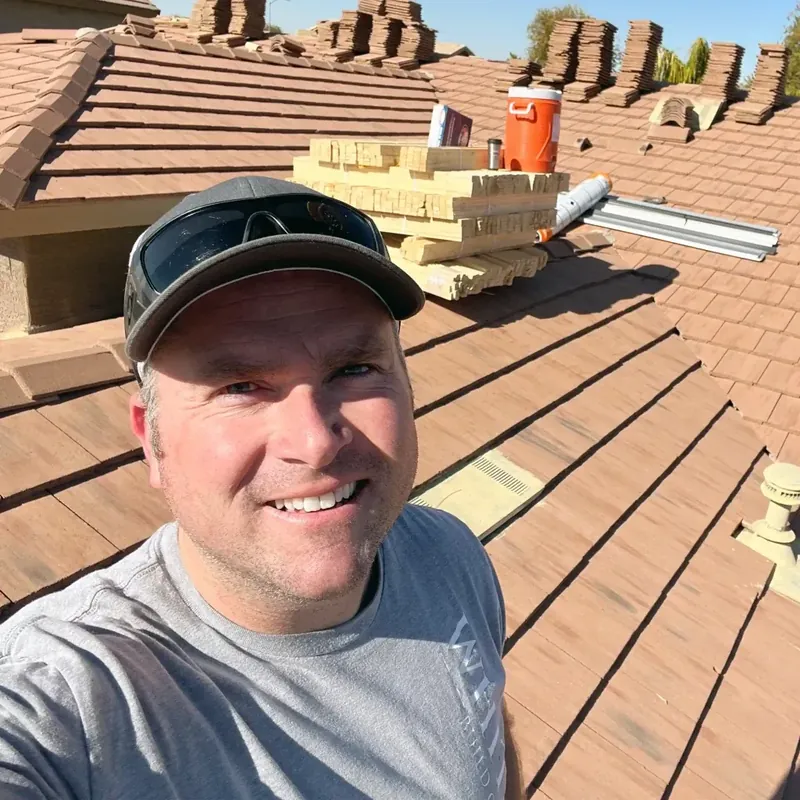
Arizona winters are the mildest part of your roof's year, which is exactly why they're the right time to work on it. Winter rains will find every crack the summer sun opened up, so a little preparation in late fall protects your home through the wet season and sets the roof up for next summer. Here's the practical checklist.
Key takeaways
- Winter prep in the Valley is mostly about water: clean gutters, sound flashing, and fixing the wear that summer heat and monsoons left behind.
- Insulation and ventilation quietly do double duty, cutting winter heating costs and protecting the roof structure from moisture.
- If you're in Arizona's high country, snow load and ice dams are real; in the East Valley, winter rain finding summer damage is the actual threat.
Understanding Arizona's winter weather
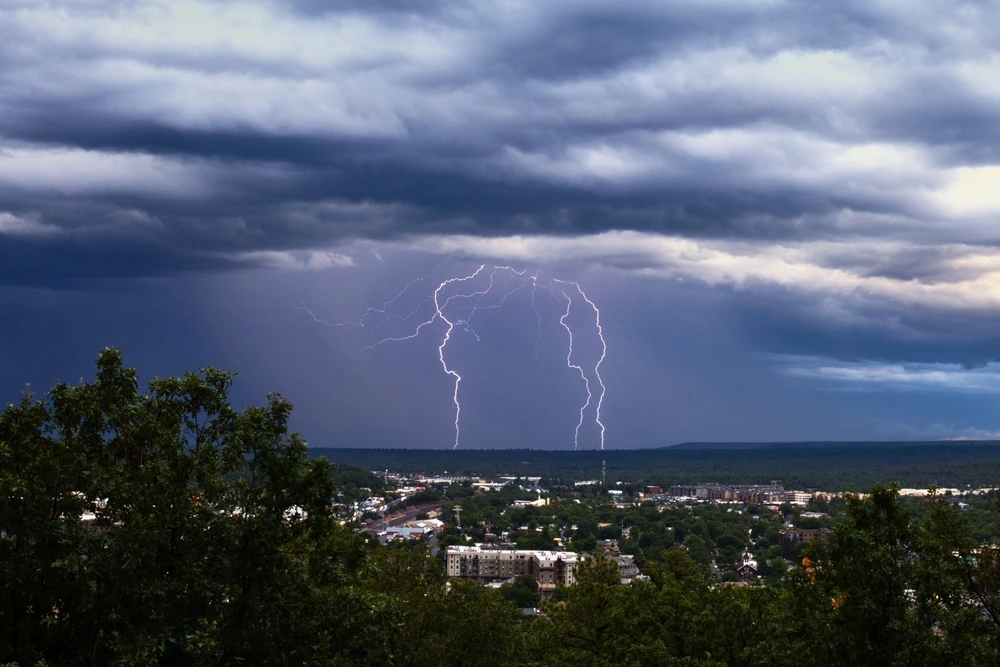
Arizona's winter depends entirely on elevation. The state spans everything from mild desert winters to genuine mountain snow, so "winter prep" means different things in Chandler than in Flagstaff.
Low desert regions
In the Valley, winter means nighttime lows in the 40s, occasional soaking rains, and almost no freezing. The threat isn't snow; it's water exploiting the damage summer already did. Months of heat-driven expansion and contraction crack tiles, dry out sealants and age underlayment, and the first good winter rain is when homeowners find out. That's why the pre-winter inspection matters more here than any snow measure.
High elevation areas
Up in the high country, places like Flagstaff see serious snowfall and sustained freezing, and roofs there deal with real snow loads and ice dams. If you have a cabin up north, that roof needs mountain-grade prep: snow management, ice dam prevention and materials rated for the freeze-thaw cycle.
Assessing your roof's condition
A thorough fall inspection is the core of winter prep. Look for cracked or slipped tiles, worn or missing shingles, failed sealant around penetrations, and rust or staining in the attic that hints at existing leaks. Pay extra attention to edges and the areas around chimneys and vents, where leaks like to start.
You can do a solid first pass yourself (my DIY roof inspection tips cover how to do it safely from the ground), but a trained eye catches what binoculars miss, especially underlayment condition on tile roofs. A professional inspection is free when I do it, and fall is exactly the right time to schedule one.
Cleaning and clearing gutters
Clogged gutters are the most preventable cause of winter water damage. When rain can't drain, it backs up under roofing materials and overflows against fascia and foundations. Clean them before the winter rains: sturdy ladder, gloves, scoop out the debris, then flush gutters and downspouts with a hose to confirm flow. While you're there, check for loose sections, rust and separated seams.
Twice a year is the right cadence, and late fall is the important one, after the mesquite and ash trees have dropped their leaves.
Want your roof checked before the winter rains?
I'll inspect it for free: tiles, flashing, underlayment, drainage, all of it. If something needs fixing before the rain, you'll know exactly what and why, with photos.
Call or text Andy: 480-363-2898Inspecting and improving insulation
Attic insulation is a year-round player: it keeps heat in during winter and out during summer. High energy bills and noticeable drafts are the classic signs it's fallen short. While checking insulation levels, also look for moisture, compressed sections and evidence of pests, since insulation problems and roof problems tend to travel together. Better insulation is one of the cheapest comfort upgrades a Valley home can make.
Ensuring proper roof ventilation
Good roof ventilation keeps air moving through the attic, which prevents winter condensation from collecting on the underside of your roof deck, where it quietly feeds mold and wood rot. Ridge vents paired with soffit vents create the continuous airflow that does the job. The same ventilation pays you back double in summer by keeping attic temperatures down.
Trimming overhanging branches
Winter storms bring the year's strongest sustained winds outside monsoon season, and overhanging branches become roof hazards. Trim anything hanging over the roofline: it prevents broken branches from cracking tiles, stops the constant abrasion of branches dragging on the roof, and keeps leaf litter out of your freshly cleaned gutters.
Preparing for snow and ice (high country only)
For homes at elevation: manage snow load with a roof rake after heavy storms, and prevent ice dams with the insulation and ventilation practices above, which keep the roof deck cold enough that snow doesn't melt and refreeze at the eaves. Heat cables at the eaves help on problem roofs. Valley homeowners can skip this section entirely, which is one of the perks of living down here.
Hiring roofing professionals
Some pre-winter work belongs to a pro: sealant and flashing repairs done right, tile repairs that don't create new cracks, and honest judgment on whether the underlayment will make it through another wet season. Professional work also keeps any manufacturer warranties intact, since unauthorized repairs can void them. Verify whoever you hire with the Arizona ROC; my license is #325377 and here's how I work.
Installing gutter guards
If gutter cleaning is the chore you keep skipping, gutter guards buy you slack. Micro-mesh, foam and reverse-curve styles all keep leaves and large debris out while letting water through. They don't eliminate maintenance, but they turn a twice-a-year mandatory job into an occasional check.
Choosing the right roofing materials
If your winter prep inspection turns up a roof at the end of its life, material choice matters for every season. In the Valley, tile handles both the summer sun and winter rain admirably; shingles remain the budget answer with a shorter desert lifespan. Winter, incidentally, is a genuinely good season to replace a roof here, with mild weather and easier scheduling.
Common winter roofing issues and solutions
The winter problems I actually get called for in the East Valley: leaks appearing during the first sustained rains (summer damage revealed), cracked tiles from the rare hard freeze, brittle old shingles giving way, and attic moisture from poor ventilation. Every one of them is cheaper to fix in October than to discover in January. My guide to common Arizona roofing problems covers the full list and fixes.
Summary
Winter roof prep in Arizona is refreshingly simple: inspect after the monsoon damage is done, clean the gutters, fix what summer broke, and make sure insulation and ventilation are pulling their weight. Do that in the fall and winter rain becomes weather instead of an emergency. The inspection part costs nothing; call or text and I'll handle it personally.
Frequently asked questions
Why is a roof inspection important before winter?
Because summer heat and monsoons create the damage, and winter rain finds it. A fall inspection catches cracked tiles, failed sealants and worn spots while they're cheap repairs instead of active leaks.
How often should gutters be cleaned?
Twice a year, with late fall being the critical one before the winter rains. Homes under mature trees may need more.
What are the benefits of gutter guards?
They keep leaves and debris out, maintain drainage between cleanings, and cut the cleaning chore way down. You still check them occasionally.
Why does roof ventilation matter in winter?
It prevents condensation in the attic, which protects the decking and framing from moisture damage and mold. In the high country it also helps prevent ice dams.
Do East Valley roofs really need winter prep?
Yes, but it's water prep, not snow prep. Winter storms here are exactly when neglected summer damage turns into ceiling stains. An hour of fall maintenance prevents most of it.