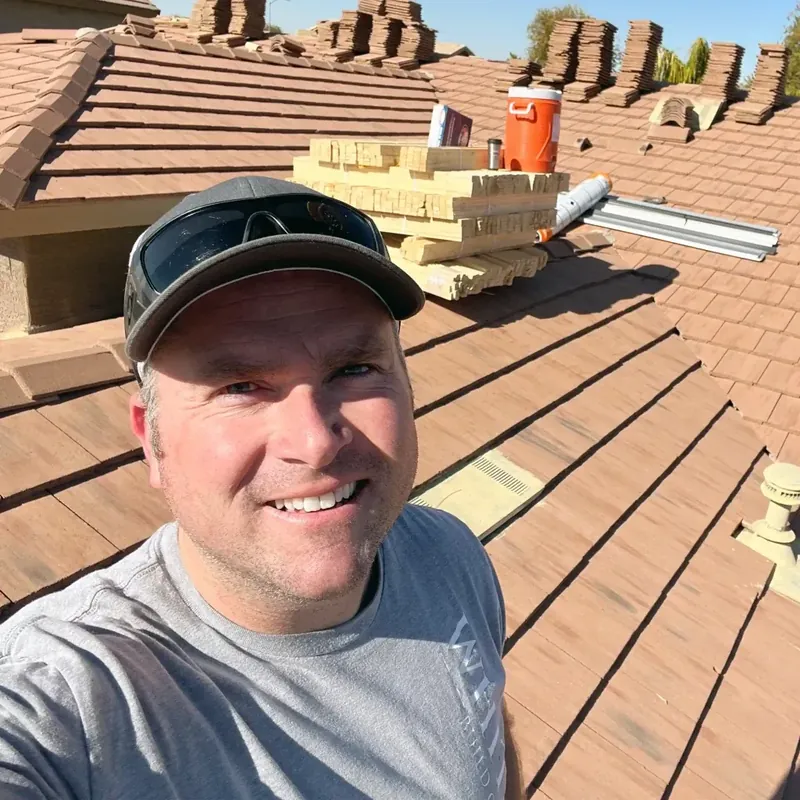
Nobody wants to buy a roof. I get it, and I'll never pressure anyone into one. But I've also seen what happens to East Valley homes when a roof that genuinely needs replacing gets pushed off year after year, and it's worth knowing honestly what that path looks like. The replacement cost feels big; the cost of waiting is usually bigger, it just arrives in installments.
Key takeaways
- An aged-out roof fails progressively: small leaks become decking rot, mold, and interior damage that cost far more than the roof itself.
- Arizona insurers increasingly refuse or drop coverage on old roofs, which can turn a roofing decision into an insurance emergency.
- The escape hatch is knowledge: a free inspection tells you how much life your roof really has, so you can plan instead of react.
Structural risks from an aging roof
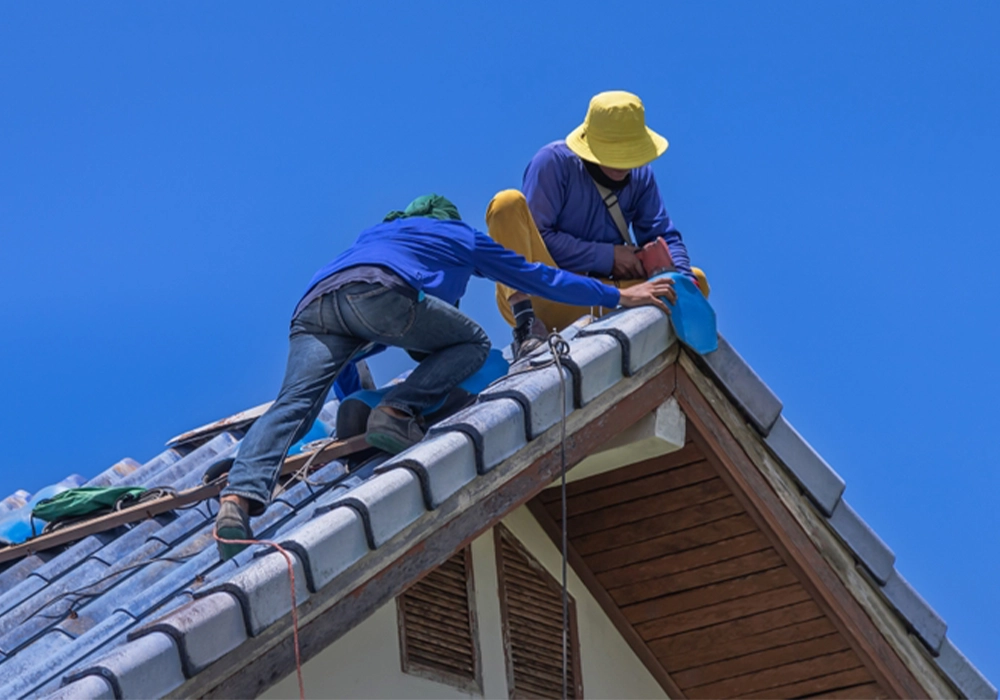
When a roof passes the end of its material lifespan, it stops failing one shingle at a time and starts failing systematically. Cracked tiles, brittle shingles, and baked-out underlayment let water into the structure, and water doesn't stay where it enters. It travels along rafters and decking, soaks into walls, and works down toward everything you own. In monsoon season, wind gets to exploit every weak point at once; a compromised roof section that survived ten quiet months can open up in one July storm.
Water damage and mold move fast
Even a small leak from an old roof creates the conditions mold needs. It spreads through damp insulation, wood framing, and drywall, and remediation is expensive, disruptive, and sometimes means moving out during treatment. Water also finds electrical wiring, and wet electrical systems are a genuine fire hazard. I've walked attics where a "minor leak" the homeowner had been living with for two years had quietly rotted a whole section of decking. The repair costs compound the longer water runs.
Insurance complications
This is the consequence that catches Arizona homeowners off guard. Insurers expect you to maintain the roof, and they act on it two ways. First, claims: water damage traced to an old, worn roof gets denied as a maintenance failure rather than a covered event. Second, coverage itself: many carriers now require roof condition information before renewing policies on older Arizona homes, and a roof that's visibly at end-of-life can mean a forced replacement deadline or a dropped policy. Shopping for new coverage with a failing roof is not a strong negotiating position. My insurance claims guide covers how roof age plays into all of this.
Rising energy bills
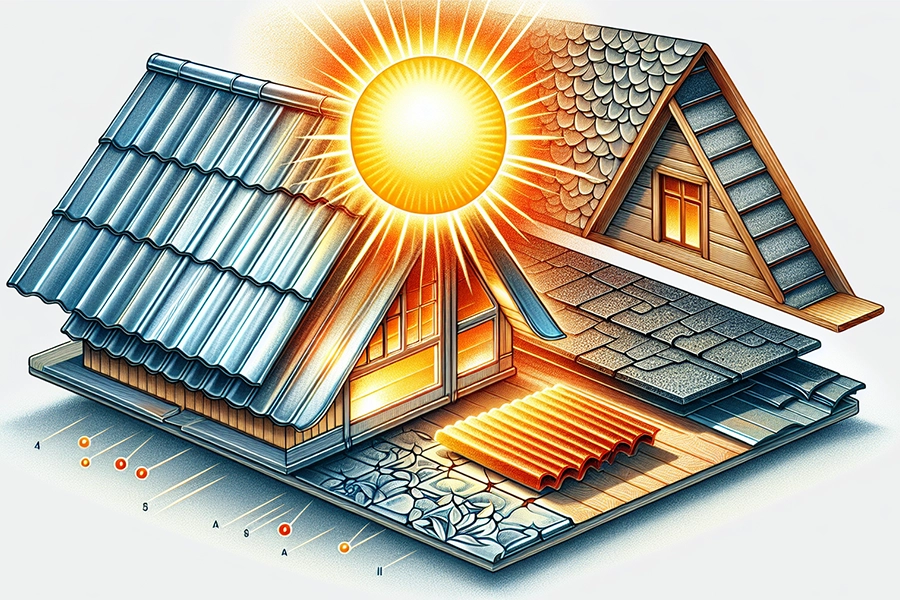
A failing roof leaks air and heat, not just water. Degraded materials, water-compacted insulation, and broken ventilation force your AC to fight the roof all summer, and in Arizona that shows up as a meaningfully higher power bill every month. A modern roof with proper insulation and ventilation claws a chunk of that back immediately; it's one of the quiet ways a replacement pays part of its own cost.
Repair costs vs. replacement: the losing race
Repairs on a healthy roof make sense. Repairs on a roof past its lifespan are a subscription: fix one section this monsoon, another one next year, flashing after that, each visit real money that buys you no long-term progress. Worse, delay makes the eventual replacement bigger, because by then it includes decking repairs, interior fixes, and sometimes mold work that timely replacement would have avoided. When I open up a long-neglected roof, hidden damage is the rule, not the exception. The honest crossover math is in my repair or replace guide, and real replacement numbers are in the Arizona cost guide.
Not sure how much life your roof has left?
That's exactly what the free inspection answers. I'll look at it myself and tell you honestly: years left, repairs worth doing, or time to plan a replacement. No pressure either way.
Call or text Andy: 480-363-2898Property value and selling problems
An old roof follows you into the sale. Buyers' inspectors flag it, buyers discount for it (usually by more than the replacement would cost you), lenders and the buyer's insurer can balk at it, and deals fall apart over it. You end up paying for the new roof either way, just without getting to enjoy it or negotiate from strength. The flip side is real too: a recent roof is a legitimate selling point in the East Valley market, as covered in my post on whether a new roof increases home value.
The smarter path: assess, plan, replace on your schedule
The alternative to both panic-replacement and endless delay is simple: find out where your roof actually stands. A proper inspection tells you whether you have eight years or eight months, which repairs buy real time and which are throwing money at a lost cause. With that knowledge you can budget, compare bids without a leak dripping behind you, and schedule work in the mild months instead of during a monsoon emergency. If cash flow is the obstacle, financing options exist for exactly this.
Regular maintenance stretches every year of life your roof legitimately has. But when the material itself is done, no amount of patching changes the physics, and the kindest thing I can do is tell you that straight.
Common questions
How long can I safely delay a roof replacement?
Depends entirely on the roof's actual condition, which is why guessing is dangerous. Some "old" roofs have years of honest service left; some newer ones are already letting water in. An inspection replaces the guess with a timeline.
Will my insurance really drop me over my roof?
It happens in Arizona regularly now. Carriers photograph roofs from the air, ask ages at renewal, and non-renew policies over visibly worn roofs. Getting ahead of it keeps the decision yours.
Is it ever right to repair instead of replace?
Absolutely, and I recommend repair more often than replacement. Most repairs run $500 to $3,500 and buy real time on a roof with life left. The problem is only when repairs become a recurring subscription on a roof that's structurally done.