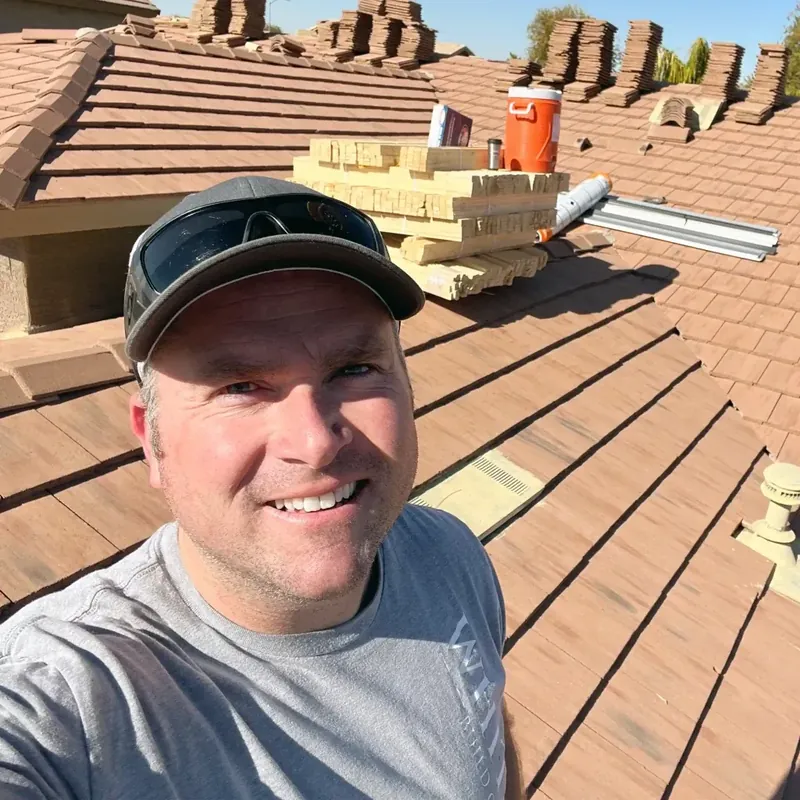
A roof is one of the biggest checks most homeowners ever write, and the anxiety around it pushes people toward two opposite mistakes: putting it off until a leak forces a rushed decision, or grabbing the cheapest bid and paying for it twice. Here's how to budget for it calmly, the way I'd tell a neighbor to.
Key takeaways
- Set aside roughly 1% to 2% of your home's value each year for home maintenance, and your roof stops being a financial emergency.
- The big cost drivers are size, material, underlayment choice and hidden wood repairs, not mysterious contractor magic. Understand them and bids start making sense.
- Winter is the East Valley's quiet season for roofing: easier scheduling and a calmer job. Monsoon season is the worst time to start shopping.

Start before you need to
The cheapest roof replacement is the one you planned for. A common rule of thumb is saving 1% to 2% of your home's purchase price per year for maintenance overall, with the roof as the single biggest line item. An automatic monthly transfer into a home-maintenance account turns a scary five-figure event into something you saw coming for years.
The other half of planning is knowing your roof's actual condition. Leaks, cracked or slipped tiles, missing granules on shingles, or a roof past the 15-to-20-year mark all say "get it looked at." A free inspection tells you whether you're budgeting for a repair, an underlayment replacement, or the full job, and roughly how many years you have to save for it.
What actually drives the price
- Size and pitch. More squares, more material and labor. Steeper roofs take more time and equipment.
- Material. Shingle is the budget option, tile costs more upfront and lasts longer, foam is its own world for flat roofs. The Arizona cost guide has honest ranges for each.
- Underlayment choice. This is the decision that matters most on East Valley tile roofs, and the one cheap bids quietly downgrade. I bring samples so you choose the quality point yourself.
- Hidden wood damage. Tear-off sometimes reveals soft decking. Ask every bidder how they handle it BEFORE you sign; surprise change orders are where budgets die. (Our answer: on one Chandler job we fixed the hidden damage at no extra cost.)
- Extras. Skylights, chimneys and complicated rooflines add labor.
And the honest big picture: if your tiles are healthy and only the underlayment is done, you may not need a full replacement at all. A tile underlayment replacement reuses your tiles and costs far less.
Want a real number instead of internet ranges?
The inspection and the bid are both free, and I do them personally. No pressure, no follow-up sales calls, and you can take all the time you want to decide.
Call or text Andy: 480-363-2898Timing helps more than haggling
Roofing in the East Valley has seasons. Everyone calls after the first monsoon leak, which is exactly when schedules are fullest. Winter is the quiet stretch: mild weather, faster scheduling, and an unhurried job. If your roof is aging but not leaking, replacing on your schedule in the off-season beats replacing on the roof's schedule in August. More on that in the best time of year to replace a roof in Arizona.
Financing, insurance and warranties, honestly
Financing: home equity loans and HELOCs usually carry the lowest rates for those who have equity; personal loans work for good credit; and we offer third-party financing so the roof doesn't have to wait on a savings account. The lender sets the terms, I'm a roofer, not a lender, so get the numbers in writing. Details on the financing page.
Insurance: homeowner's policies generally cover sudden damage from storms, fire or impacts, not normal wear and age. If a monsoon or haboob did real damage, that's a claim, and we help document it honestly.
Warranties: manufacturer warranties depend entirely on the material you choose and how it's installed; DIY repairs can void them. Whatever contractor you hire, get the specific terms in writing.
Where NOT to save money
Skipping the permit, downgrading the underlayment, hiring unlicensed labor, or overlaying a roof that needed a tear-off. Every one of those "savings" costs more within a decade. The right way to save is choosing a sensible material tier, timing the job well, and hiring a lean operation that doesn't carry big-company overhead. That last one is literally my business model: I can almost always beat the big companies' bids without touching quality.
Common questions
How do I estimate my replacement cost before getting bids?
Use the honest ranges in the Arizona cost guide, then get a free bid. Online calculators are fine for ballparks but they can't see your underlayment or decking.
Are DIY repairs a good way to stretch the budget?
Cleaning gutters and looking for cracked tiles from the ground, sure (see the DIY inspection tips). Actual roof work, no. Walking a tile roof wrong breaks tiles, and bad repairs void material warranties.
Is financing a roof a bad idea?
Not if the roof is genuinely failing. Water damage compounds much faster than interest. If the roof has years left, I'll tell you that instead, and you can save up in peace.